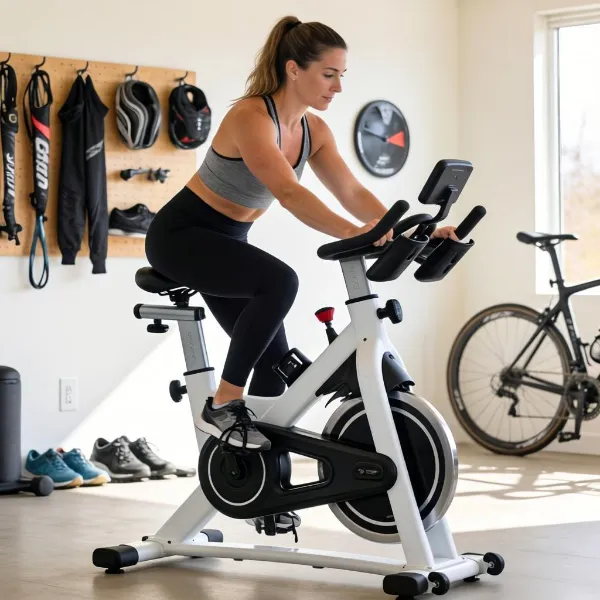
Cycling and weight training might seem like separate worlds, but together they can offer impressive results. By combining these two forms of exercise, you'll not only increase your cycling power and endurance but also build muscle and avoid injuries. If you’re looking to enhance your performance, prevent common cycling injuries, and boost your overall fitness, adding strength training to your cycling routine is the way to go. In this article, we’ll explore the benefits, the best exercises, and how to incorporate weight training into your cycling routine.
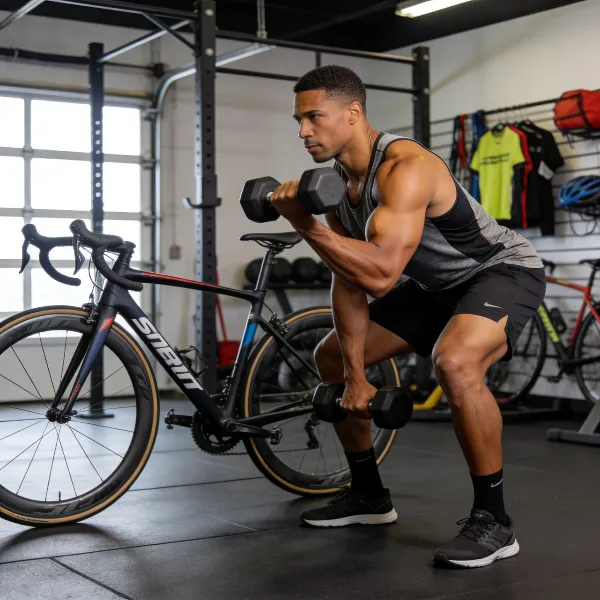
Benefits of Combining Cycling and Weight Training
Incorporating strength training into your cycling routine brings numerous benefits. Here’s how cycling and weight training work together to enhance performance and prevent injury:
Increase Power and Speed
When it comes to cycling, power is everything. Weight training helps develop the leg muscles needed for explosive cycling movements, like sprinting or climbing hills. Stronger muscles translate to more powerful pedaling, which boosts your overall speed. As your leg muscles become stronger, you’ll notice a significant improvement in your ability to tackle difficult terrain and power through your rides.
Improve Efficiency and Endurance
Endurance is key for long rides, and cycling alone may not always be enough to improve stamina. Strength training builds muscle endurance, which helps your body perform better over time. Stronger muscles are more efficient, meaning you’ll have more energy and less fatigue during long rides. Whether you’re cycling for leisure or competition, this combined approach will help you go the distance with ease.
Prevent Injuries with Strengthening
Cycling places a lot of repetitive stress on the body, especially on the knees and lower back. Strength training helps prevent injuries by reinforcing muscles, ligaments, and tendons. A strong core and leg muscles will better support your joints, reducing the risk of overuse injuries. Strengthening exercises also improve posture and balance, which are vital for preventing accidents while riding.
Support Metabolism and Stamina
Muscle growth, a benefit of strength training, boosts your metabolism and increases stamina. This means you burn more calories at rest and improve your overall physical conditioning. With added muscle mass, you’ll notice not just increased cycling performance, but also greater stamina for longer, more intense rides. This balance between muscle and endurance ensures that you stay strong on the bike without compromising performance.

Best Exercises for Cyclists
To maximize the benefits of combining cycling with weight training, it’s important to focus on exercises that target the muscles most used in cycling. Below are some of the best exercises to incorporate into your routine.
Squats, Deadlifts, and Lunges
These compound exercises are great for building lower body strength, which is essential for cyclists. Squats target your quadriceps, hamstrings, and glutes, while deadlifts focus on the posterior chain, strengthening the hamstrings, glutes, and lower back. Lunges help develop unilateral strength, ensuring balanced muscle development between your legs. These exercises help you generate more power when cycling and can make a noticeable difference in your performance on the bike.
Planks and Russian Twists
Cycling isn’t just about strong legs; core strength plays a huge role in maintaining stability and posture while riding. Planks are excellent for strengthening your entire core, including your abs, back, and shoulders. Russian twists specifically target the obliques, which are essential for rotational stability when cycling. A strong core prevents fatigue and helps you stay comfortable during long rides.
Bench Press and Rows
Don’t neglect your upper body when you’re focusing on cycling performance. Upper body strength supports your overall riding position, especially when sprinting or climbing. The bench press targets your chest, shoulders, and triceps, while rows work your back muscles. Together, these exercises help you maintain better posture on the bike, increase your stability, and enhance overall control.
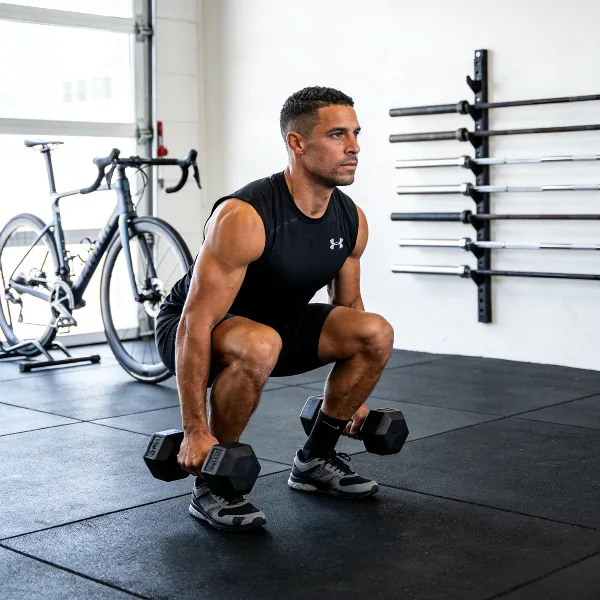
How to Schedule Your Workouts
Balancing cycling with weight training requires careful planning to avoid overtraining and burnout. Here are some tips on how to schedule both activities effectively:
Same-Day Cycling and Strength Training
If you prefer to do both on the same day, it’s crucial to structure your workouts properly. Start with cycling if your goal is endurance and stamina. Cycling first allows your body to focus on building aerobic capacity when you’re freshest. After cycling, aim for a shorter, less intense strength training session. Focus on compound movements like squats or lunges, but avoid overloading your muscles to prevent excessive fatigue.
Balancing Recovery
Your muscles need time to recover, so rest is just as important as training. Aim to take at least one full rest day each week to allow your muscles to recover and rebuild. You should also listen to your body—if you’re feeling overly fatigued, don’t hesitate to take extra rest days or reduce the intensity of your workouts. Proper recovery is essential for long-term success in both cycling and weight training.
Adjusting Frequency for Results
If you’re new to weight training, aim for two to three sessions per week. As you get stronger and more comfortable with the exercises, you can adjust the frequency to meet your fitness goals. Keep in mind that cycling itself provides a great workout for your legs, so don’t overdo it with leg-specific strength training. Instead, focus on full-body workouts that complement your cycling routine.
Common Mistakes to Avoid
While combining cycling and weight training can offer great benefits, there are some common mistakes that can hinder your progress. Avoid these missteps to get the best results from your routine:
Overtraining
It’s easy to get excited and overdo it, but overtraining is a surefire way to set yourself back. Cycling and weight training are both demanding, so it’s essential to find a balance. Make sure you’re getting enough rest between workouts, and avoid doing too much too soon. If you’re constantly fatigued, consider scaling back the intensity or frequency of your workouts to allow your body time to adapt.
Skipping Recovery
Recovery is often overlooked, but it’s crucial for progress. Skipping rest days or not prioritizing sleep can lead to overtraining, injury, and slower results. When your muscles don’t have time to recover, your performance will plateau. Focus on getting enough sleep, stretching, and doing mobility work to help your muscles recover and prepare for the next session.
Focusing on Reps, Not Strength
While cycling itself is a great endurance workout, strength training should focus on building power, not just doing high reps. Too many reps with light weights can lead to muscular endurance but not the strength necessary for power on the bike. Instead, aim for lower reps with heavier weights to build strength and muscle mass, which will improve your cycling power over time.
Conclusion
Combining cycling and weight training is a winning formula for enhancing your overall fitness. Strength training not only boosts your cycling power and speed but also improves endurance, reduces the risk of injury, and supports your metabolism. By incorporating key exercises into your routine and balancing your workouts with proper recovery, you can achieve impressive results in both cycling and strength. Remember to listen to your body, avoid overtraining, and make adjustments as needed to get the most out of your workouts.