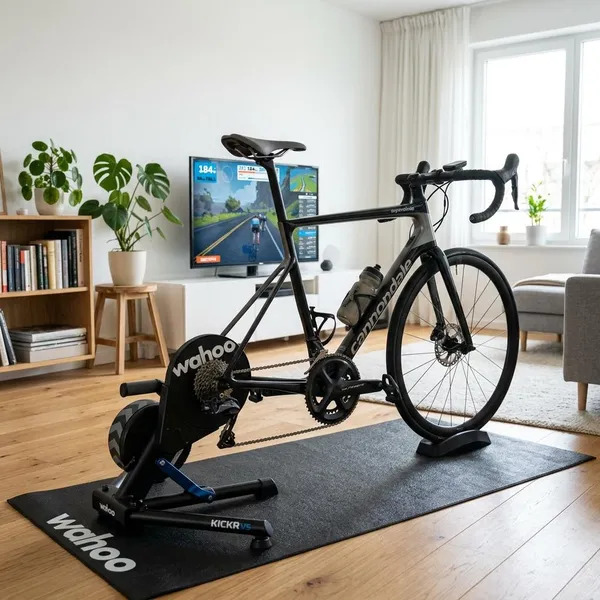
IHigh-Intensity Interval Training (HIIT) cycling is a powerful workout that combines short bursts of intense cycling with brief recovery periods. It's an efficient way to burn fat, increase cardiovascular health, and build strength—without spending hours in the gym. In this article, we'll explore why HIIT cycling is such an effective fitness tool and guide you through popular routines and expert tips to get the most out of your sessions.
Why HIIT Cycling Works for Fitness
HIIT cycling stands out because it burns more fat and boosts your fitness faster than traditional workouts. It combines intense intervals with recovery periods, helping your body reach peak performance. Let's look at why this method works so well.
Improve Cardiovascular Health
HIIT cycling isn't just good for your legs—it's great for your heart too. The high-intensity intervals force your heart to pump more efficiently, which improves cardiovascular health. Over time, regular HIIT cycling can reduce your resting heart rate and increase stamina, making everyday activities easier and improving overall heart function.
Burn More Calories and Lose Fat
One of the key reasons HIIT cycling is so popular is its ability to burn fat quickly. When you push your body to its limits during the high-intensity phases, your metabolism gets a boost, causing your body to burn calories even after the workout is done. This afterburn effect helps you shed fat faster than steady-state cardio alone.
Increase Endurance and Strength on the Bike
Another benefit of HIIT cycling is increased endurance and strength. By regularly pushing yourself to go all-out during your intervals, your muscles adapt, allowing you to bike longer and harder. Whether you're training for a race or just want to ride more efficiently, HIIT cycling builds strength and stamina quickly.
Popular HIIT Cycling Workouts
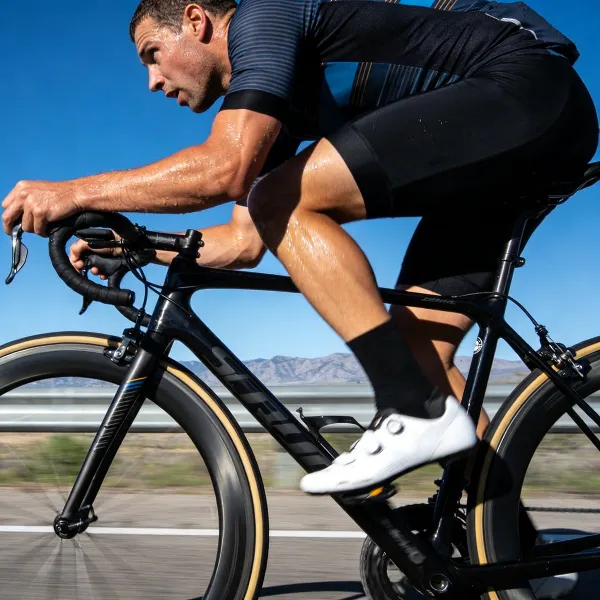
Looking to switch up your routine? There are several HIIT cycling workouts to help you target different fitness goals. Each one is designed to challenge you in a unique way, from sprints to climbs.
30/30 Workout
The 30/30 workout is a simple and effective HIIT cycling workout. You'll cycle at maximum intensity for 30 seconds, then recover for 30 seconds with low-intensity pedaling. This cycle continues for 20 to 30 minutes. This workout is great for burning fat while improving both your aerobic and anaerobic fitness.
Sprint Intervals
Sprint intervals focus on building speed and power. You'll sprint all-out for 20 to 40 seconds, followed by 1-2 minutes of active recovery. These high-intensity bursts help increase leg strength, cardiovascular capacity, and power output, so you can pedal faster and more explosively.
Climbing Intervals
Climbing intervals simulate the effort required for hill climbing. You'll increase your bike's resistance to mimic an incline, alternating between sitting and standing positions. This workout strengthens your quads, glutes, and core, while also improving your ability to tackle hilly terrain with more power.
Sample 20-Minute HIIT Routine
Here's a quick 20-minute HIIT cycling routine to get you started:
- Warm up for 5 minutes at a comfortable pace.
- Cycle as hard as you can for 30 seconds, followed by 30 seconds of easy pedaling. Repeat for 12-15 rounds.
- Cool down for 5 minutes at a slow pace.
This routine works on fat burning, endurance, and power, making it an efficient all-around workout.
Tips for Maximizing HIIT Cycling Success
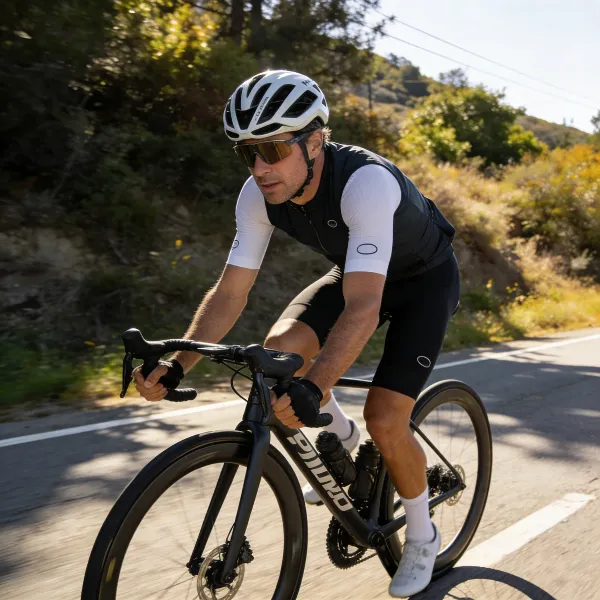
To really get the most out of your HIIT cycling workouts, there are a few tips you should follow. By adjusting your intensity and recovery periods, you can maximize your results while avoiding burnout.
Adjust Resistance for Maximum Effort
For maximum results, adjust the bike's resistance during the intense intervals. Increasing resistance challenges your muscles and helps build strength, especially in your legs and core. Make sure to reduce the resistance during recovery to allow your body to prepare for the next sprint.
Focus on Intensity During Intervals
The key to HIIT cycling is intensity. During the high-intensity intervals, push yourself as hard as you can. If you're not out of breath or pushing yourself to your limit, you're not doing it right. The more effort you put into those short bursts, the greater the benefits.
Recover Properly Between Sessions
While intensity is important, so is recovery. Allow your body time to rest between HIIT sessions to avoid overtraining. Incorporate rest days into your routine and focus on low-intensity activities, such as walking or swimming, to keep your body in top shape.
How to Start HIIT Cycling
If you're new to HIIT cycling, it's important to ease into it. Here are some tips to help you get started safely and effectively.
Warm Up and Cool Down
Never skip your warm-up or cool-down. Start with a gentle 5-10 minutes of easy cycling to get your blood flowing. After your workout, cool down at a slow pace to help your muscles recover and reduce soreness. This will also lower your risk of injury.
Track Your Progress
Tracking your progress is a great way to stay motivated. Use a fitness app or tracker to monitor your heart rate, calories burned, and overall performance. Seeing improvements in your endurance and strength will keep you motivated and help you push harder during future workouts.
Tips for Beginners
If you're just starting out, don't worry about going full-speed right away. Start with shorter intervals and longer recovery periods. For example, try 20-second sprints with 40 seconds of recovery. Focus on proper form, stay hydrated, and gradually increase the intensity as you get fitter.
How Often Should You Do HIIT Cycling?
You don't need to do HIIT cycling every day to see results. In fact, it's important to balance HIIT with recovery.
Balance HIIT with Recovery
Most people benefit from doing HIIT cycling 2-3 times a week. On your off days, focus on lower-intensity workouts like yoga, walking, or a light bike ride. Rest is just as important as the workout itself—it's when your muscles repair and grow stronger.
Incorporate HIIT into Your Weekly Routine
HIIT cycling should be part of a well-rounded fitness routine that includes strength training, stretching, and other forms of cardio. This will help you improve your overall fitness without overworking any one area of your body.
Conclusion
HIIT cycling is an incredibly effective workout for burning fat, improving cardiovascular health, and building strength. By incorporating short bursts of high-intensity effort with recovery periods, you can see results faster and get in better shape in less time. So, if you're ready to take your fitness to the next level, hop on your bike and start your HIIT cycling journey today!