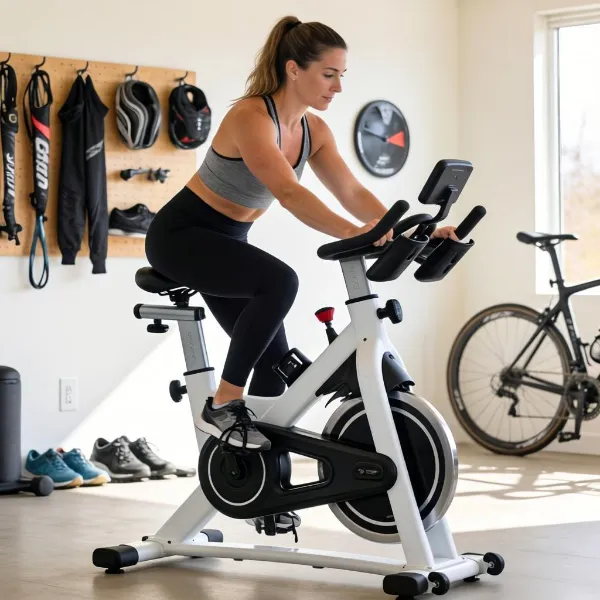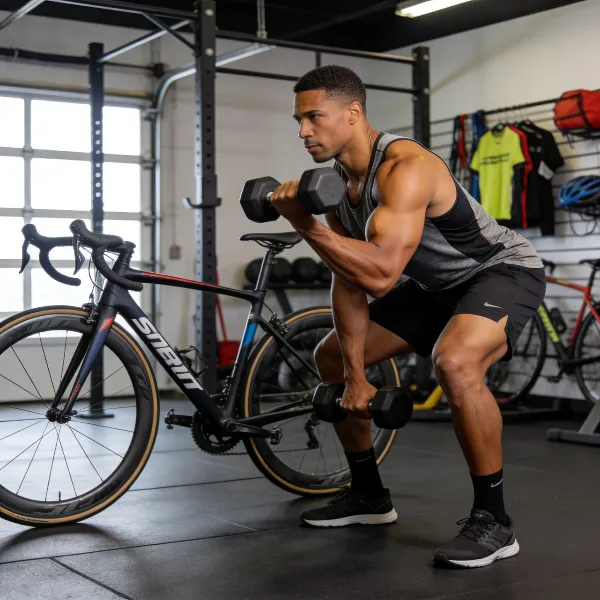
Cycling is a fantastic way to get fit, relieve stress, and challenge yourself. Whether you're preparing for an upcoming race or just looking to improve your riding, knowing how to train for cycling is key. In this article, we’ll break down effective training tips to help you build endurance, increase speed, and boost strength, so you can enjoy cycling even more. Ready to ride to your best self? Let's dive in!

Benefits of Proper Training for Cyclists
Training for cycling isn’t just about riding your bike—it's about focusing on areas that will improve your overall performance. The right training plan can offer many benefits, from boosting your endurance to reducing your risk of injury. Here’s a breakdown of what proper cycling training can do for you:
Improved Endurance for Long Rides
Endurance is essential when it comes to cycling long distances. With the right training, you can gradually build your stamina, allowing you to ride for hours without fatigue. Through consistent long rides, your body learns to use energy efficiently, helping you go further and feel better during long rides, whether you're training for a race or just exploring new trails.
Enhanced Speed and Power
To ride faster and with more power, interval training is a game-changer. This type of training involves alternating between high-intensity bursts and recovery periods. By pushing your body to work harder in short bursts, you’ll build muscle and speed, leading to faster overall cycling performance. Not only will your speed improve, but your ability to recover during rides will also get better.
Reduced Injury Risk
Proper training doesn’t just help you ride faster—it also keeps you safe. Strength training and flexibility exercises are vital to reducing the risk of injuries. By strengthening muscles that are critical for cycling, like your quads and hamstrings, you’ll prevent issues like knee pain and tendonitis. Add in regular stretching and proper recovery, and you'll be riding pain-free for longer.

Getting Started with Your Cycling Training Plan
Whether you’re a beginner or an experienced rider, starting with a solid training plan is crucial. Here’s how to begin your journey to better cycling fitness.
Set a Training Schedule
To stay on track, create a consistent training schedule. Aim for at least 3-5 rides per week, making sure to include both easy and hard sessions. Consistency is key, and by sticking to a schedule, you’ll steadily improve your cycling abilities. Don’t forget to allow time for recovery!
Build Your Plan for 6-8 Weeks Before the Season
If you’re gearing up for a cycling event or race, give yourself at least 6-8 weeks to build up your fitness. This allows plenty of time to gradually increase your intensity and endurance. The first few weeks should focus on building your base level of fitness, while the later weeks can incorporate race-specific workouts and longer rides.
Track Your Progress and Adjust
To stay motivated, track your progress. Record your ride times, distances, and how you feel during each session. If you notice you're hitting plateaus or aren’t improving as expected, adjust your training intensity or variety. Tracking helps you spot patterns and make necessary tweaks to your plan.

Key Components for Effective Cycling Training
To get the best results, it’s important to incorporate a variety of training methods. Let’s look at the key components that make up an effective cycling plan.
Base Training for Endurance
Base training is all about building endurance. This involves steady, long rides at a moderate pace. By focusing on base training early on, you’re teaching your body to rely on fat as fuel, which helps you go longer without feeling tired. This phase is essential for beginners, as well as seasoned riders looking to increase their stamina.
Long Rides for Stamina
Long rides are crucial for building stamina. The key here is to ride at a comfortable pace for an extended period. Start by adding 10-15 miles to your ride each week, gradually building up to longer distances. These rides will help you improve your cardiovascular system, making longer rides feel less taxing.
Interval Training for Speed
Interval training is one of the best ways to boost your cycling speed. During these sessions, alternate between short bursts of high-speed effort and periods of recovery. This builds muscle strength and improves your ability to accelerate quickly. Over time, you’ll notice that you can maintain a faster pace for longer periods of time.
Strength Training for Power
Strength training isn’t just for weightlifters—it’s essential for cyclists too! Building muscle helps you generate more power during each pedal stroke, making your rides more efficient. Focus on exercises like squats, lunges, and leg presses to target your legs and core, which are the most important muscle groups for cycling.
Recovery to Maximize Performance
Recovery is just as important as training. It’s during rest that your muscles repair and grow stronger. Include at least one or two rest days in your weekly plan, and consider active recovery like light cycling or yoga. Stretching after rides also helps maintain flexibility and prevents injuries.
Sample Weekly Training Schedule
A well-rounded training schedule balances endurance, speed, strength, and recovery. Here's a sample training plan for different experience levels.
Beginner Training Plan
- Monday: Rest or Active Recovery (e.g., Yoga or Stretching)
- Tuesday: Short Endurance Ride (30-45 minutes)
- Wednesday: Strength Training (Lower Body)
- Thursday: Interval Training (Short sprints or hills)
- Friday: Rest
- Saturday: Long Endurance Ride (1.5-2 hours)
- Sunday: Active Recovery or Cross-Training (Swimming, Running)
Intermediate and Advanced Plans
For those looking to take their training to the next level, this schedule incorporates more challenging workouts.
- Monday: Rest
- Tuesday: Speed Intervals (1-hour workout with 30 minutes of high-intensity intervals)
- Wednesday: Strength Training (Legs and Core)
- Thursday: Tempo Ride (60-90 minutes at moderate intensity)
- Friday: Rest or Active Recovery
- Saturday: Long Endurance Ride (2-3 hours)
- Sunday: Cross-Training or Recovery Ride
Conclusion
Training for cycling is an exciting journey that helps you build endurance, speed, strength, and confidence. By following a well-rounded plan that includes base training, long rides, interval training, strength workouts, and recovery, you can see significant improvements in your cycling performance. No matter your goal, whether it’s finishing a race or just enjoying longer rides, the right training can help you get there. Start your cycling journey today, and watch your skills soar!