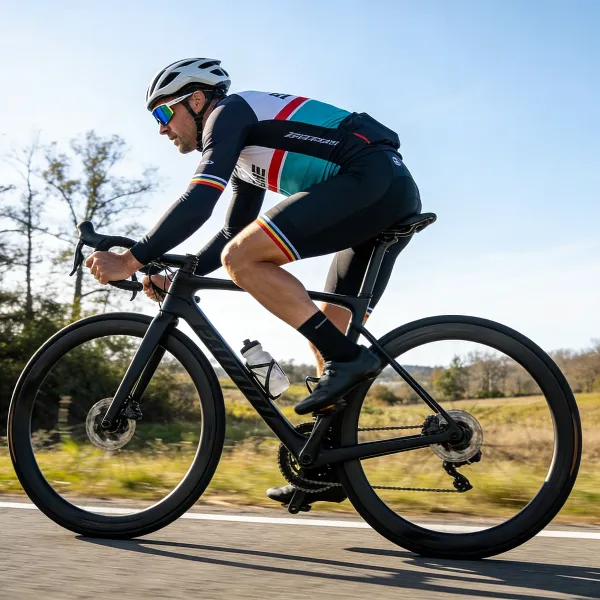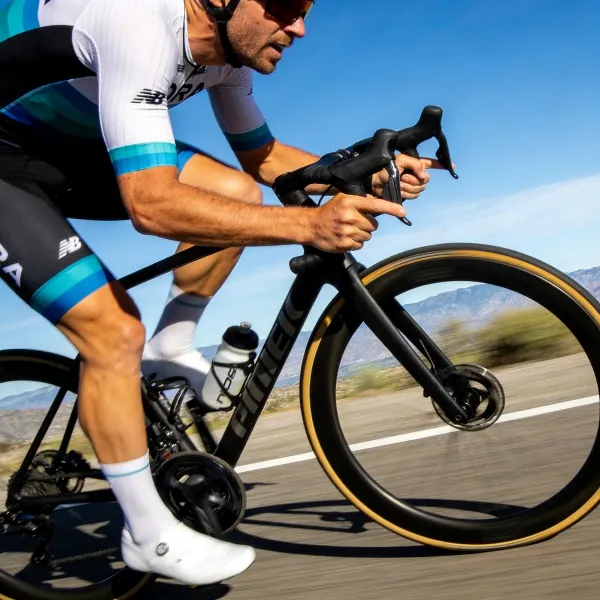
Cycling for cross training works best when it has a clear job: add fitness, keep you moving, or reduce impact without stealing energy from your main sport. It is a good option for runners, field-sport athletes, hikers, and lifters, but only if the ride fits around the workouts that matter most. Start by deciding whether the bike session is meant to be easy, steady, or hard before you add it to your week.
Benefits of cycling for cross training
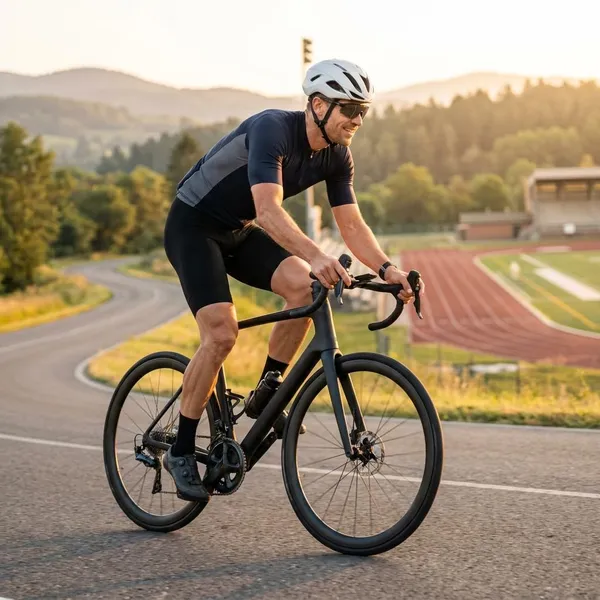
The main benefit of the bike is not that it magically improves every sport. It gives you another way to build or maintain aerobic work while changing the stress on your body. That makes it useful when extra running, jumping, or sport practice would be too much, but doing nothing would leave a gap in your training.
Build aerobic fitness with less impact
A bike ride can raise your breathing and heart rate without the same landing forces you get from running, court sports, or repeated hill walking. That is the biggest reason it fits so well as cross training: you can add endurance work while giving your feet, shins, knees, and hips a different kind of load.
This matters most when your main sport is already impact-heavy. A runner doing several runs each week may get more benefit from one steady ride than from squeezing in another tired, low-quality run. A casual hiker preparing for longer weekends can also use the bike to build time-on-task without turning every weekday into a leg-pounding session.
Develop leg endurance
Cycling is especially good for repeated lower-body effort. Longer steady rides ask your quads, glutes, calves, and hip muscles to keep working without frequent breaks, which can support sports that demand sustained leg drive.
The carryover is useful but not identical. A runner still needs running to improve running mechanics, and a skier still needs sport-specific work. Use cycling as extra endurance support, not as a complete replacement for the movement patterns your sport actually requires.
Add variety to your training
Changing the training stimulus can make a week feel less stale. If every session has the same route, same shoes, same surface, and same soreness pattern, the bike gives you a mental and physical reset without dropping aerobic work altogether.
- Use it for motivation: an outdoor ride can make an easy day feel less like another chore.
- Use it for consistency: an indoor ride can save a busy day when travel time is limited.
- Use it for stress management: swapping one repetitive session may help if your body feels beaten up.
Control effort on an indoor bike
Indoor cycling is useful when the workout needs to be exact. You can hold a steady resistance, avoid traffic stops, keep the cadence smooth, and stop the ride at the planned time instead of being stuck far from home.
That control is helpful for recovery spins and harder sessions. For example, if you only have 30 minutes before work, an indoor bike lets you warm up, ride the planned effort, and cool down without wasting half the session on route logistics.

Cycling cross-training workouts for different goals
The biggest mistake is turning every ride into the same medium-hard grind. A useful cycling session should match one goal: easy movement, aerobic endurance, sustained intensity, or harder aerobic work. Once the goal is clear, the ride becomes easier to place in your week.

Easy spins for light activity
An easy spin should feel almost too easy. Keep the resistance low, pedal smoothly, and stay at a pace where conversation would be comfortable. Most people do well with 20 to 45 minutes, finishing fresher rather than more tired.
This is the ride to choose after a long run, a heavy lower-body lift, a match, or a demanding practice. If your legs start burning or your breathing feels pushed, you have turned a recovery tool into another workout.
Steady rides for aerobic endurance
Steady rides are the best default when you want more endurance without another hard day. Aim for controlled breathing and a pace that feels purposeful but sustainable. A practical starting range is 30 to 60 minutes if you are new to cycling, then longer only if recovery stays good.
| Use this ride when | Keep it successful by |
|---|---|
| You need more aerobic volume | Holding a pace you could maintain without forcing it |
| Your main sport is already hard on your joints | Choosing duration before intensity |
| You want a weekly fitness anchor | Repeating the same route or indoor setup to track progress |
Tempo efforts for sustained intensity
Tempo riding sits between steady endurance and hard intervals. It should feel strong and focused, but not desperate. A simple session is 10 to 15 minutes easy, then 2 or 3 rounds of 8 to 12 minutes at tempo effort with 3 to 5 minutes easy between rounds, followed by a short cool-down.
Place this carefully. If you have a key run, game, race-pace practice, or heavy squat session the next day, tempo on the bike may leave your legs flatter than expected.
Short intervals for harder aerobic work
Short intervals are useful when you want a hard aerobic stimulus in less time, but they should not become the hidden extra workout that ruins your main training. Try 6 to 10 repeats of 1 minute hard with 1 to 2 minutes easy, or 5 to 8 repeats of 2 minutes hard with equal recovery.
The hard part should be repeatable. If the first few efforts feel like sprints and the last ones collapse, the workout is no longer controlled cross training; it is just fatigue dressed up as effort.
How to fit cycling around your main sport
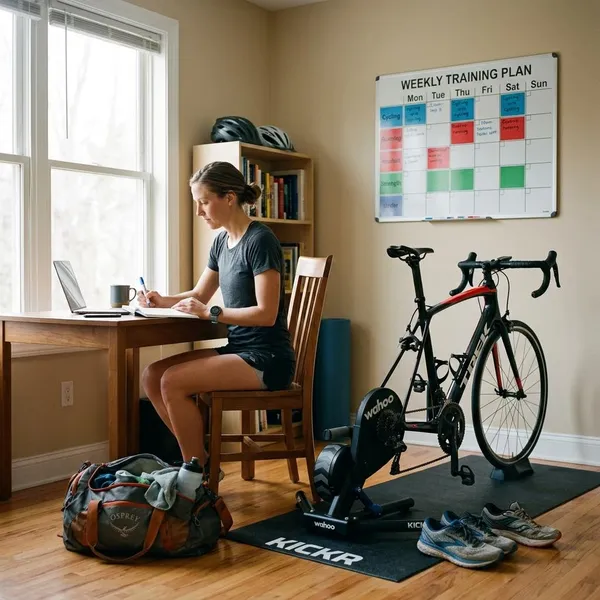
The bike should support the sport you care about most, not compete with it. Before adding rides, look at your week in order of importance: key sport sessions first, recovery second, cycling third. That order prevents the common problem of doing more work while getting worse at the workouts that actually matter.
Choose the purpose of each ride
Give every ride one purpose before you start. If the ride is for recovery, keep it light. If it is for aerobic endurance, keep it steady. If it is meant to be hard, make sure it earns its place in the week.
- Recovery: short, easy, and relaxed.
- Aerobic support: steady enough to build fitness without draining you.
- Workout replacement: used when running, swimming, or practice is not sensible that day.
- Mental break: easy to moderate, not another secret test.
Set a manageable frequency and duration
For many recreational athletes, 1 to 3 rides per week is enough. One ride can be a light recovery spin, while another can be a steady endurance ride. Add a third only if your sleep, soreness, and main-sport performance still look good.
A runner who already trains five days a week may only need one easy spin and one moderate ride. A team-sport athlete in season might be better with one short indoor session between practices rather than extra intervals. More cycling is not better if it makes your important sessions dull.
Keep hard rides away from key workouts
Hard rides create real fatigue even though cycling is lower impact. Keep bike intervals or tempo work away from track sessions, long runs, heavy leg days, match days, or technical practices where sharpness matters.
A simple rule is to separate demanding sessions by at least a day when you can. If your schedule forces hard sessions close together, group them on the same hard day and protect the next day as genuinely easy.
Adjust your total training load
Adding cycling does not always mean adding total exercise. Sometimes the bike should replace a run, a conditioning session, or an elliptical workout. This is especially true during a high-stress work week, a return from a break, or a training block where your legs already feel close to their limit.
Check the whole week, not just the ride:
- How many hard sessions are already planned?
- Are your legs recovering between them?
- Is sleep normal or getting worse?
- Are key workouts improving, holding steady, or slipping?
- Do you feel better after easy rides or just more tired?
Review fatigue and performance each week
A quick weekly check tells you whether cycling is helping. If your main workouts feel stable, your aerobic confidence improves, and easy rides leave you fresher, the plan is probably working.
Cut back when the warning signs stack up: heavy legs before key sessions, soreness that lingers, poor sleep, unusually high effort for normal workouts, or a drop in performance. Reduce duration first, then intensity, then frequency if needed.
Conclusion
Cycling is a strong cross-training choice when it fills a specific gap rather than simply adding more work. Keep easy rides easy, use steady rides for dependable aerobic support, and treat hard bike sessions with the same respect as hard workouts in your main sport. If you are unsure where to start, try one easy spin and one steady ride for two weeks, then judge the plan by how your body performs where it matters most.