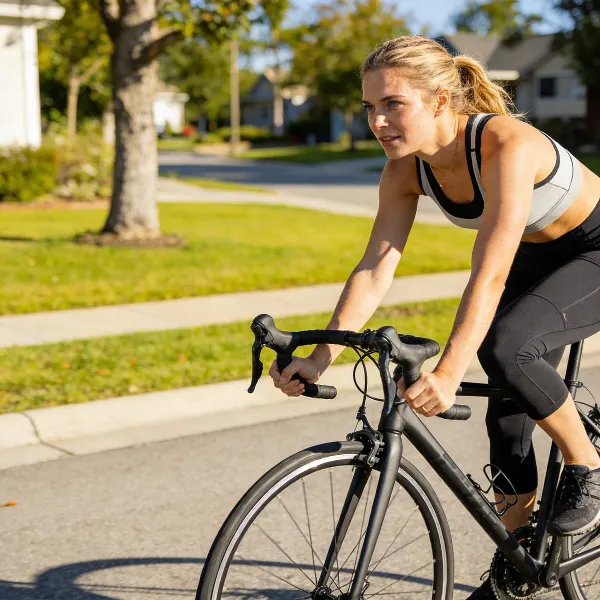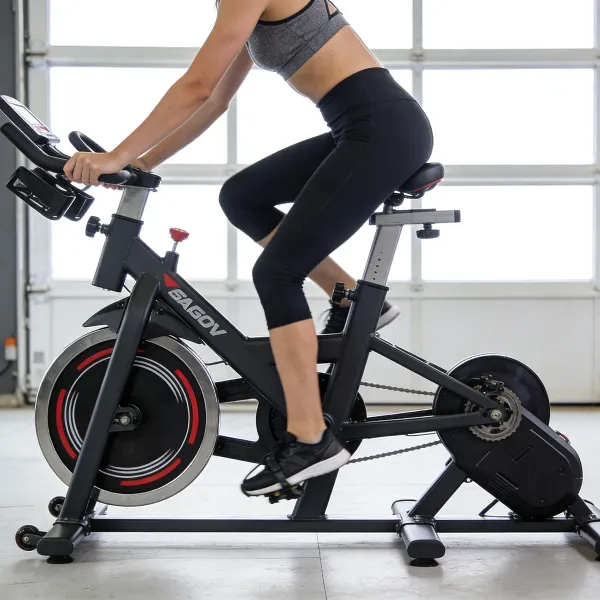
An indoor cycling bike trainer is usually the best choice if you already have a bike you like and want to ride it indoors. Start by checking bike compatibility, then narrow the options by noise, ride feel, smart features, storage space, and budget. For occasional winter rides, a simple wheel-on trainer may be enough; for regular structured training, a quiet direct-drive smart trainer is usually easier to live with.
What Is an Indoor Cycling Bike Trainer?
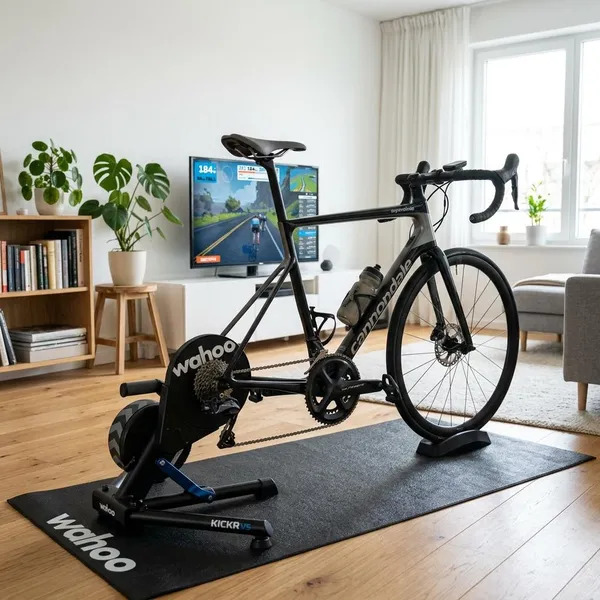
An indoor cycling bike trainer turns your regular bicycle into a stationary indoor setup. Instead of buying a separate cardio machine, you attach your own bike to a trainer and pedal in place with added resistance.
Holds Your Bike for Indoor Riding
The trainer's first job is to keep the bike stable while you ride indoors. Some models clamp around the rear axle, some replace the rear wheel, and rollers let the bike sit freely on spinning drums while you balance.
This is useful if your outdoor bike already fits you well. Your saddle height, pedals, handlebar position, and riding posture stay familiar, which matters more for longer sessions than many beginners expect.
Adds Resistance for Training
Resistance is what makes the ride feel like exercise instead of simply turning the pedals. Depending on the trainer, resistance may come from magnetic, fluid, air, or electronically controlled systems.
- Basic resistance: good for steady cardio and casual workouts.
- Adjustable resistance: useful if you want harder intervals without changing setup.
- Smart resistance: changes automatically in apps or structured workouts.
Lets You Train at Home
For many riders, the real benefit is consistency. Bad weather, short daylight, traffic, and busy schedules matter less when the bike is already set up at home.
A parent squeezing in 35 minutes before work and a cyclist training through winter have different goals, but both benefit from removing the friction of getting dressed, checking the route, and dealing with road conditions.
Types of Indoor Cycling Bike Trainers
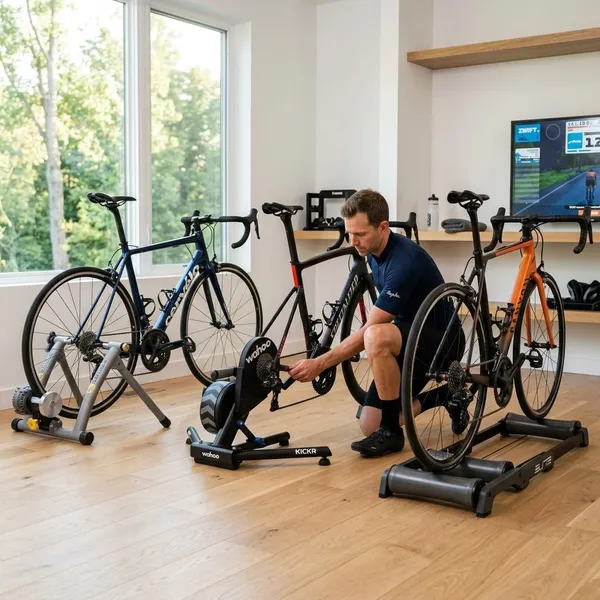
The three main options are wheel-on trainers, direct-drive trainers, and rollers. The right type depends less on which one sounds best on paper and more on how often you will ride, where you live, and how much setup hassle you will tolerate.
Wheel-On Trainers
A wheel-on trainer keeps your rear wheel on the bike and presses a roller against the tire. It is usually the cheapest and simplest way to start indoor riding.
The trade-off is that tire pressure, roller tension, and tire choice affect the feel and noise. If you only ride indoors once or twice a week during bad weather, that compromise may be fine. If you expect quiet, accurate, long-term training, it can feel limiting quickly.
Direct-Drive Trainers
With a direct-drive trainer, you remove the rear wheel and mount the bike directly onto the trainer's cassette. This setup is usually quieter, smoother, and more stable than a wheel-on trainer.
It is the better fit for riders who train several times a week, use apps like Zwift or TrainerRoad, or care about repeatable power numbers. The downsides are cost, weight, and the need to match cassette and axle standards correctly.
Rollers
Rollers ask more from the rider because the bike is not locked in place. You balance on three spinning drums, which makes the ride feel lively and helps improve smooth pedaling.
They are best for confident cyclists who want technique work or easy to moderate indoor rides. For a nervous beginner, hard sprint sessions, or a setup near furniture and walls, a fixed trainer is usually less stressful.
How to Choose an Indoor Cycling Bike Trainer
Choose in this order: make sure your bike fits, decide how quiet the trainer must be, then look at ride feel, smart features, accuracy, space, and budget. Compatibility and noise are the two checks most likely to create regret if you leave them until the end.
Check Bike Compatibility
Make compatibility the first filter. A trainer can have great reviews and still be wrong for your bike if the axle, cassette, wheel size, or frame clearance does not match.
- Axle type: check quick-release or thru-axle support.
- Wheel size: especially important for wheel-on trainers.
- Cassette speed: direct-drive trainers may need the right cassette installed.
- Bike type: road and gravel bikes are usually simpler than some mountain bikes.
- Frame guidance: check the bike maker's advice if you ride a carbon frame.
Do not rely only on "fits most bikes" wording. Look up the trainer's compatibility chart and confirm your exact axle and drivetrain before buying adapters.
Compare Noise Levels
A trainer that seems acceptable in a garage can feel loud in an apartment, upstairs bedroom, or shared home office. Direct-drive trainers are usually the quietest because there is no tire rubbing on a roller.
Noise also comes from the bike itself. A dry chain, worn cassette, high cadence, hollow floor, or no mat can make even a good trainer sound worse. If you live above neighbors, prioritize a quiet trainer, use a mat, and keep the drivetrain clean.
Consider Ride Feel
Ride feel is not only about comfort; it affects whether you actually want to use the trainer. Direct-drive models tend to feel smoother during intervals and simulated climbs, while wheel-on trainers can feel flatter or less consistent.
Rollers feel the most "bike-like" in terms of balance and motion, but they are not always relaxing. If you want to watch a show and pedal easily, a fixed trainer may be a better match than rollers.
Which Indoor Bike Trainer Fits Your Needs?
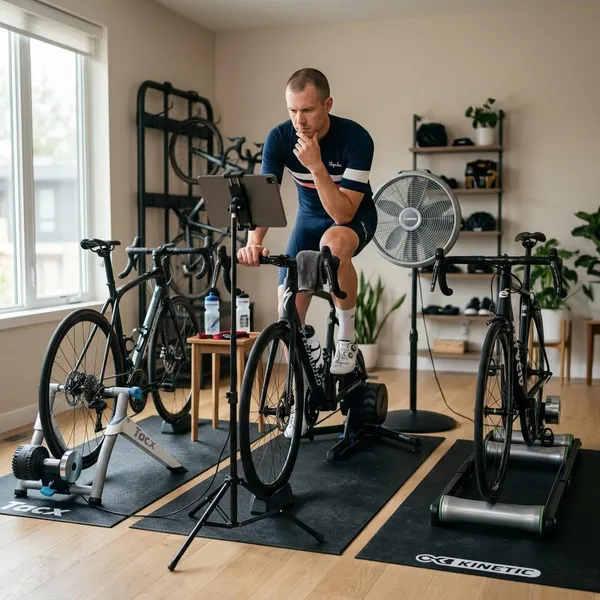
The best trainer is the one that matches your real riding pattern. Someone doing occasional winter spins does not need the same setup as someone following a four-day-a-week power plan.
Wheel-On Trainers for Beginners
Wheel-on trainers make sense if you are testing indoor cycling without spending much. They are approachable, widely available, and good enough for steady endurance rides or short fitness sessions.
Use a trainer tire if you plan to ride often on a wheel-on model. It can reduce wear and noise compared with using your regular road tire.
Direct-Drive Trainers for Serious Training
Direct-drive trainers are the better long-term choice when indoor riding is part of your actual training routine. They feel more stable during hard efforts and usually work better with power-based workouts.
If you ride indoors three or four times a week, the higher upfront cost may be easier to justify than repeatedly fighting noise, tire wear, and inconsistent resistance on a cheaper setup.
Quiet Trainers for Apartments
Apartment riders should usually start their search with direct-drive trainers. The trainer itself is quieter, and there is less tire vibration traveling through the floor.
Still, no setup is silent. Put a mat under the trainer, keep the drivetrain clean, avoid late-night sprint sessions if walls are thin, and remember that fans can be as loud as the trainer.
Indoor Bike Trainer vs Spin Bike vs Exercise Bike
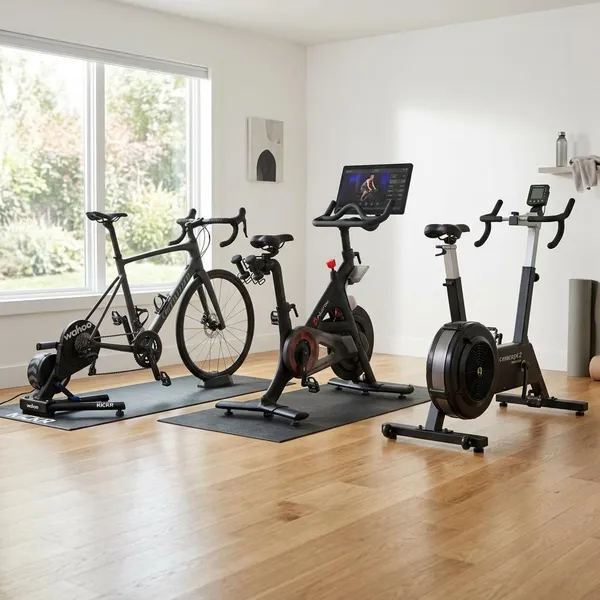
An indoor bike trainer is not automatically better than a spin bike or exercise bike. It is better when you want to ride your own bicycle; the other options can make more sense for shared households or simple cardio.
Bike Trainers for Riding Your Own Bike
A bike trainer is the best match if outdoor cycling is the reason you are training indoors. You keep the same fit, saddle, pedals, and riding position, which helps with comfort and consistency.
This is especially useful if you are preparing for road rides, gravel events, charity rides, or races. Your indoor time carries over more directly because you are using the bike you will ride outside.
Spin Bikes for Indoor Workouts
Spin bikes are convenient for indoor fitness classes and shared use. You do not need to mount a bike, change a cassette, or worry about tire wear.
They can be the better buy for a household where several people want quick workouts. The limitation is fit: a spin bike may not match your outdoor riding position closely enough for cycling-specific training.
Exercise Bikes for Simple Home Cardio
Exercise bikes are the simplest choice for low-hassle cardio. Upright and recumbent models are easy to use, often comfortable, and do not require cycling gear or bike maintenance.
Choose one if the goal is general movement, easy recovery, or a low-maintenance fitness corner. Choose a trainer instead if you care about improving on your own bike.
Conclusion
Pick the trainer by starting with the non-negotiables: your bike must fit, the noise must work for your home, and the setup must be easy enough that you will actually use it. A wheel-on trainer is fine for occasional riding, a direct-drive smart trainer is the safer bet for regular training, and rollers are best for riders who enjoy balance and technique work. The right choice is not the most advanced model; it is the one that fits your bike, space, routine, and patience.