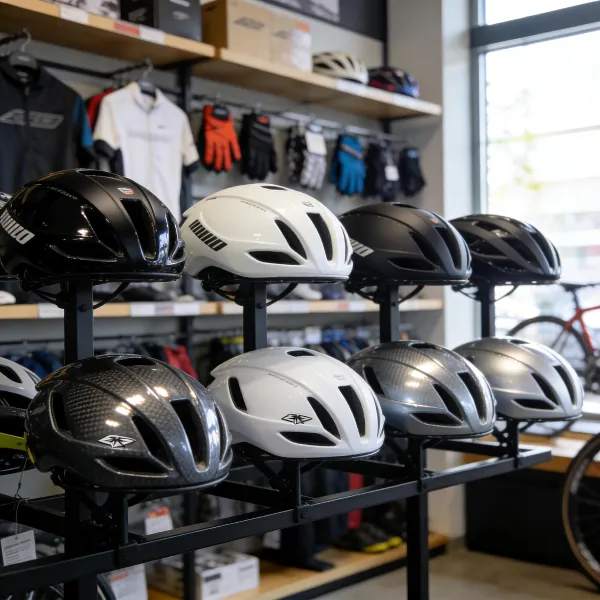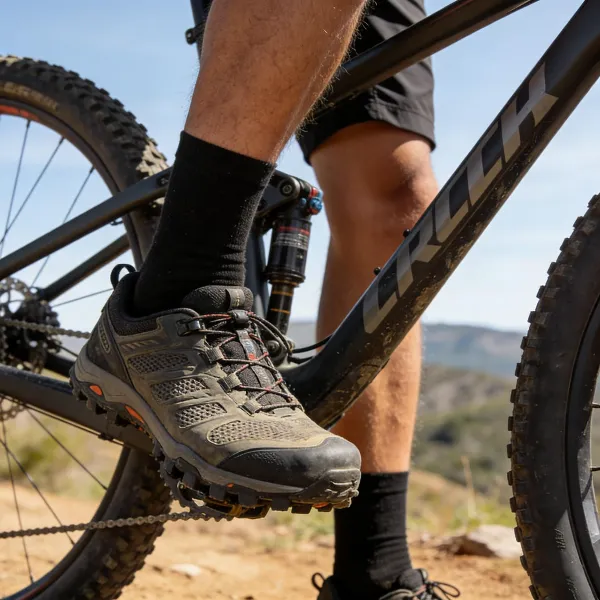
Mountain cycling is an adventure that requires the right gear for comfort, protection, and peak performance. Whether you're a seasoned rider or just starting out, the clothes you wear can make a big difference in how enjoyable and safe your ride is. In this guide, we'll break down everything you need to know about mountain cycling clothing—from the key pieces of gear to what to wear in different weather conditions.
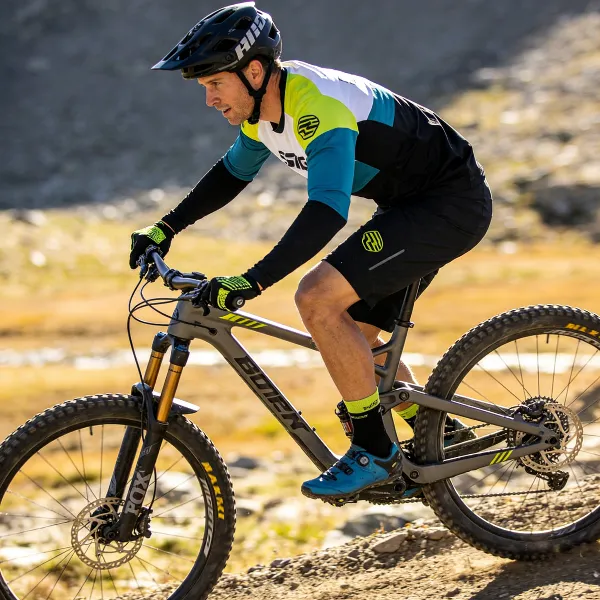
Key Clothing Pieces for Mountain Cycling
To make the most out of your mountain biking experience, you need the right gear that keeps you comfortable, protected, and free to ride. Here are the key clothing items every mountain cyclist needs.
MTB Jerseys
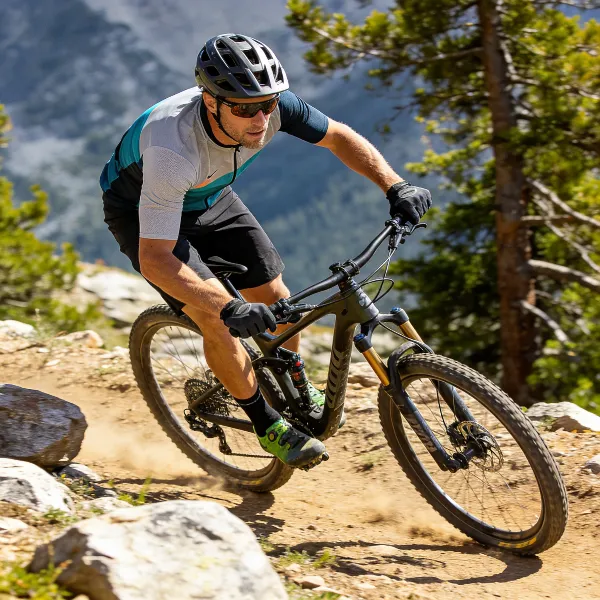
A well-fitted MTB jersey is crucial for comfort on the trail. These jerseys are made from breathable, moisture-wicking fabrics to keep you cool and dry, even during intense rides. Look for jerseys with mesh panels or vented areas to allow air circulation. They should also offer UV protection, which is especially helpful on long rides under the sun.
MTB Shorts and Pants
Cycling shorts and pants are more than just comfortable—they're essential for durability and freedom of movement. MTB shorts are designed with stretchy, flexible materials that move with you. For added comfort on long rides, choose shorts with a built-in liner or padding. MTB pants, on the other hand, offer protection against trail debris and tough terrain, making them perfect for cooler or rougher rides.
Base Layers and Jackets
Base layers play a huge role in temperature regulation, especially when the weather changes throughout your ride. A moisture-wicking base layer keeps sweat away, while a thermal layer offers warmth when it's chilly. If you're riding in cool or windy conditions, a lightweight jacket is a good choice. Look for jackets that are breathable yet provide wind or water resistance for extra protection.
Gloves and Protective Layers
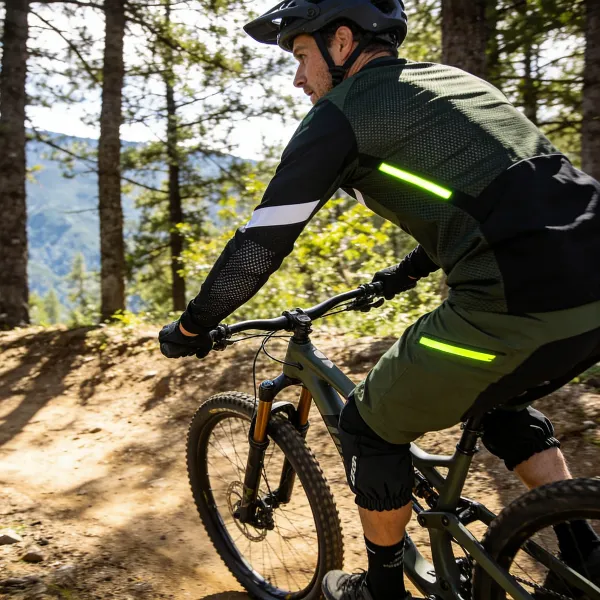
Cycling gloves are key to maintaining a solid grip on your handlebars, protecting your hands from blisters and the elements. MTB gloves come in various styles, from full-finger to fingerless, depending on your needs. Protective gear like knee and elbow pads offers peace of mind when you encounter tough trails or unexpected falls, keeping you safe without compromising on mobility.
How to Choose the Right Mountain Cycling Clothing
Choosing the right mountain cycling clothing can greatly affect your riding experience. Here are some tips to help you pick the best gear for your needs.
Pick Breathable and Quick-Drying Fabrics
When it comes to mountain biking, moisture-wicking fabrics are a must. Choose materials like polyester, merino wool, or nylon, which wick away sweat and dry quickly. Breathable fabrics, such as mesh, help you stay cool by letting air circulate. Opt for quick-drying clothing to avoid staying damp during or after a ride.
Look for Durability and Trail Protection
Mountain biking can be tough on your gear, so it's important to select clothing that's built to last. Look for materials that are tough enough to handle abrasions, such as reinforced fabrics for jerseys, shorts, and pants. Durability is especially important for trail protection—clothing with added padding or thicker material can help shield you from impacts and sharp objects.
Choose a Fit That Works on and off the Bike
While comfort is a top priority, don't forget that your gear should fit well both on and off the bike. MTB clothing should allow for freedom of movement but should also be snug enough to prevent wind and debris from getting inside. Many cycling clothes feature adjustable straps or waistbands, which can be handy for getting the perfect fit.
How to Dress for Different Riding Conditions
The weather can change in a heartbeat while you're riding, so it's crucial to dress appropriately for the conditions. Here's how to stay comfortable in different environments.
What to Wear in Hot Weather
When it's hot, lightweight, breathable clothing is key. Look for jerseys and shorts that feature moisture-wicking, quick-drying fabrics. Opt for a lightweight, vented helmet or cap to protect your head from the sun, and consider wearing sunglasses to block UV rays and reduce glare. Stay hydrated and avoid wearing anything too heavy.
What to Wear in Cold Weather
Cold weather requires layers. Start with a moisture-wicking base layer to keep sweat away from your skin, followed by a warm mid-layer, like a fleece jacket. For outer protection, a windproof or waterproof jacket can keep you shielded from the cold and wet. Don't forget to wear thermal gloves, a beanie under your helmet, and leg warmers for extra warmth.
What to Wear in Wet and Muddy Conditions
Wet and muddy conditions call for waterproof gear. Look for jackets, pants, and gloves made from water-resistant materials like Gore-Tex to keep you dry. Make sure your clothing has sealed seams to prevent water from seeping in. Durable footwear with a strong tread will help keep you from slipping on slick, muddy trails.
What Matters Most in Mountain Bike Clothing
When picking mountain cycling clothing, a few important factors should guide your decisions to ensure comfort, safety, and performance.
Comfort on Long Rides
Long rides can be tough, but the right clothing can make all the difference. Make sure your clothing fits well and doesn't chafe, and choose padded shorts for extra comfort on the saddle. Breathable fabrics will also help reduce the risk of discomfort caused by sweat, keeping you cool and dry.
Freedom of Movement
Mountain biking involves lots of twists, turns, and sudden movements, so your clothing needs to move with you. Opt for gear that provides flexibility, such as stretchy jerseys and shorts. A well-designed fit will allow you to pedal, turn, and maneuver without any restrictions.
Protection from Weather and Trail Debris
Protection is key when mountain biking. Look for clothing that shields you from the elements, like waterproof jackets or durable pants that can withstand debris. Protective gear like knee and elbow pads can also help reduce the risk of injury in case of a fall, especially on rough trails.
Common Mistakes When Choosing MTB Clothing
It's easy to make mistakes when buying mountain cycling clothing. Here are a few common ones and how to avoid them.
Wearing Clothes That Hold Sweat
Sweaty clothing can make a ride uncomfortable and lead to chafing. Avoid wearing cotton, as it traps moisture and stays wet. Instead, choose clothing made from moisture-wicking fabrics that help pull sweat away from your skin, leaving you dry and comfortable.
Choosing Style Over Function
While looking good is important, when it comes to mountain biking, functionality should come first. Many people make the mistake of prioritizing fashion over practical features. Choose gear that provides comfort, durability, and protection instead of just picking out what looks cool. Your performance and safety matter most.
Ignoring Weather and Trail Conditions
Another common mistake is not dressing for the weather or trail conditions. Don't wear a lightweight jersey when it's cold or too many layers on a hot day. Always take the weather into account before heading out, and adjust your clothing accordingly to ensure maximum comfort and protection.
How to Care for Mountain Cycling Clothing
Taking care of your mountain cycling clothing is essential for ensuring it lasts through countless rides. Here's how to keep your gear in top condition.
Wash Technical Fabrics Properly
Technical fabrics need special care. Always follow the manufacturer's instructions for washing and drying. Wash your clothes in cold water to maintain their moisture-wicking properties, and avoid fabric softeners, which can break down the fabric's ability to wick away moisture. Air-dry your clothing to keep it in great shape.
Dry and Store Gear the Right Way
After washing, make sure your gear is thoroughly dry before storing it. Hang your clothes in a well-ventilated area, away from direct sunlight, to prevent fading. For long-term storage, keep your gear in a cool, dry place to avoid mold and mildew buildup.
Replace Worn-Out Pieces When Needed
Clothing wears out over time, especially with frequent use. Check your gear for any signs of damage, such as worn-out seams or broken zippers, and replace items as necessary. If your gear no longer offers the same level of protection or comfort, it's time for an upgrade.
Conclusion
Selecting the best mountain cycling clothing is crucial for enjoying a safe and comfortable ride. Whether you're gearing up for your first ride or you're an experienced mountain biker, understanding what to wear for different conditions, how to maintain your clothing, and what to avoid when choosing gear will help you get the most out of your cycling experience. With the right clothing, you'll be prepared to tackle any trail that comes your way.