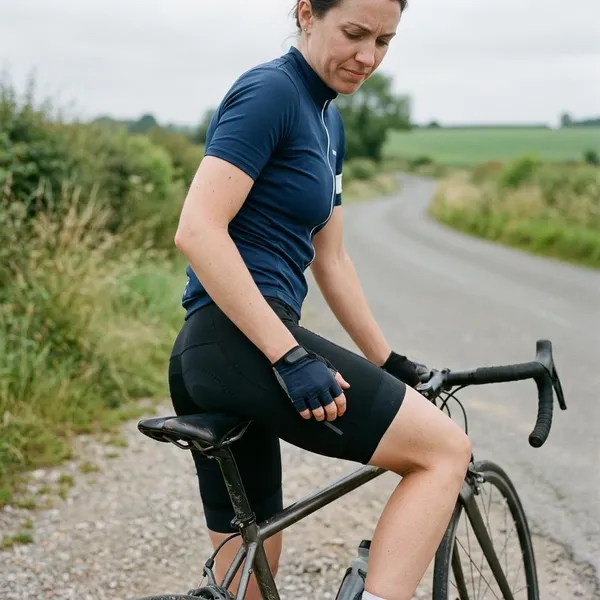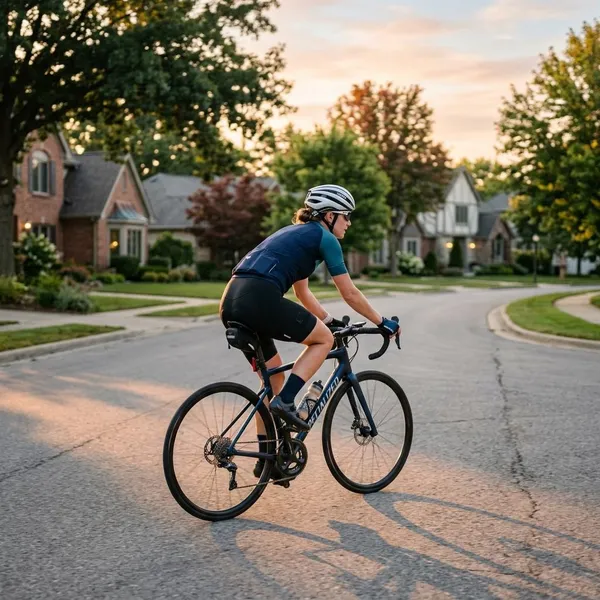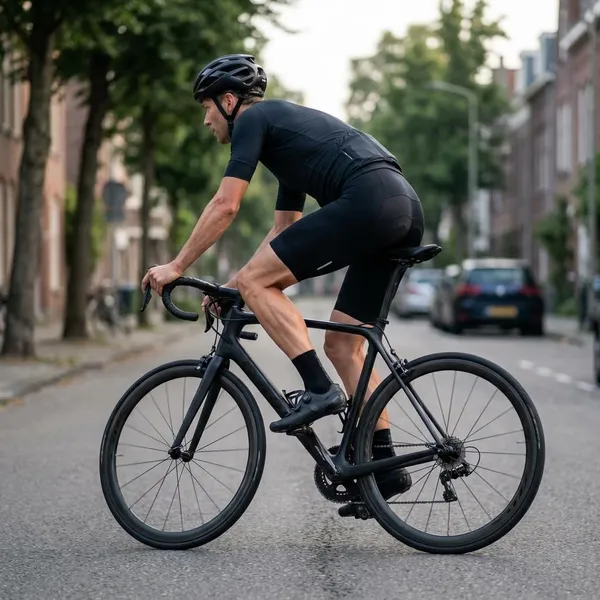
Cycling can build your glutes, but easy spinning usually gives you firmness and endurance more than noticeable size. If you want your backside to look fuller, the biggest levers are resistance, hills, sprints, and glute-focused strength training off the bike.
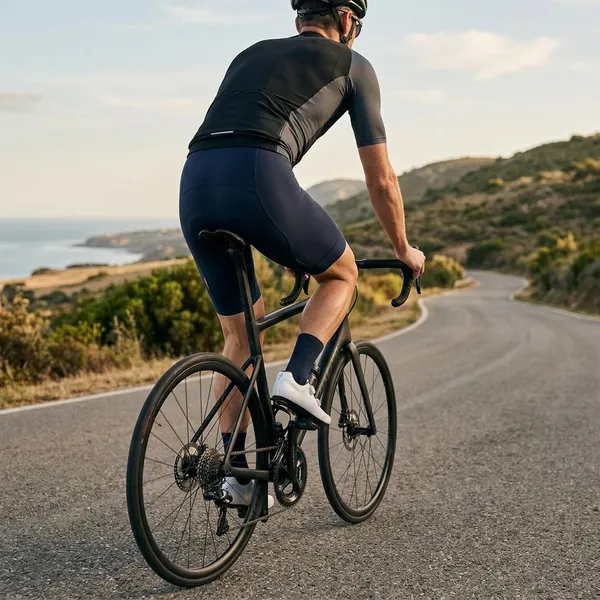
Does Cycling Build Bigger Glutes or Just Tone Them?
Cycling can help with both, but it is not equal to heavy strength training for muscle growth. Think of the bike as a tool for glute activation, endurance, and extra lower-body work; use resistance and lifting if size is the main goal.
Easy Rides Build Endurance
Long, relaxed rides mostly train your glutes to keep working for longer. That can make them feel firmer over time, especially if you are new to cycling or have been fairly inactive.
A casual flat ride around town is a good example: your glutes are involved, but the load is usually too light to force much growth. It is useful fitness work, not the strongest "bigger glutes" stimulus.
Hard Rides Build More Strength
Glutes work harder when each pedal stroke needs force. Hills, heavier resistance, and short hard pushes make your hips contribute more than they would during low-resistance spinning.
- More load: the pedals should feel challenging, not freely spinning.
- Controlled cadence: avoid rushing so fast that your quads do all the work.
- Hard efforts: climbs and sprints create a stronger signal than easy miles.
Strength Training Builds More Size
If you want visibly bigger glutes, cycling alone is usually not the fastest route. Lifts such as hip thrusts, squats, Romanian deadlifts, and split squats let you add load in a clearer, more progressive way.
The best setup for most people is simple: ride for conditioning and glute engagement, then lift to create the stronger muscle-building stimulus. This matters especially if you already cycle often but your glutes have stopped changing.
Best Cycling Workouts for Glutes
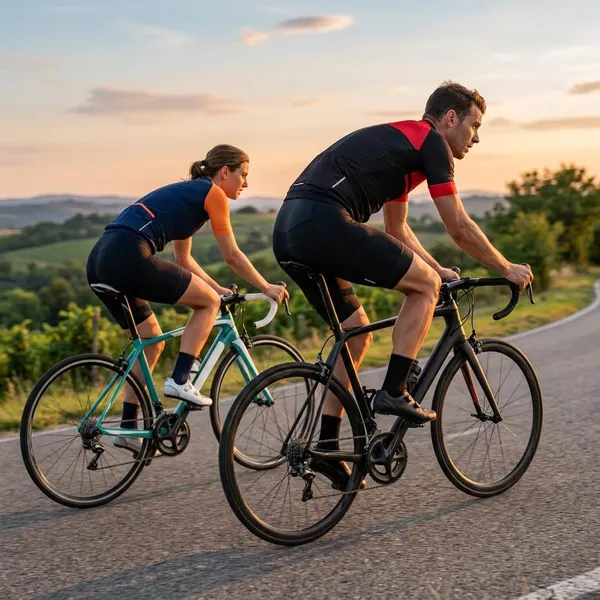
The most glute-friendly rides have one thing in common: they make your hips push against meaningful resistance. You do not need every ride to be brutal, but at least some sessions should feel more like lower-body work than simple cardio.
Hill Climbs
Hill climbs are one of the easiest ways to make cycling more glute-focused. The incline increases the force needed at the pedal, so your glutes have a better reason to join in.
For outdoor rides, choose a hill you can climb with control rather than one that makes you grind with messy form. Indoors, raise resistance enough to mimic a climb and keep your hips steady instead of bouncing in the saddle.
High-Resistance Rides
A high-resistance ride works well when you can still pedal smoothly. If the resistance is so high that your knees feel strained or your hips rock side to side, back it off.
- Warm up easily for 8 to 10 minutes.
- Ride 4 to 6 rounds of 2 to 4 minutes at heavy but controlled resistance.
- Recover for about 2 minutes between rounds.
- Cool down for 5 minutes.
This type of session is useful for someone who only has a short weekday workout but still wants more glute stimulus than a casual spin.
Sprint Intervals
Sprints can wake up the glutes quickly, but only if there is enough resistance to push against. A sprint with almost no load often becomes fast leg movement rather than powerful hip drive.
Try short bursts of 10 to 30 seconds, seated or standing, with enough resistance that each stroke feels strong. Stop the sprint before your form falls apart.
Standing Climbs
Standing climbs can add glute demand because your hips move through a stronger drive pattern. Use them in short blocks during climbs or heavy indoor intervals, not as a replacement for good seated work.
Keep your core braced and your weight balanced over the bike. Swinging your body from side to side may feel dramatic, but it usually wastes energy and can take the focus away from the glutes.
Why Do You Feel Cycling More in Your Quads?
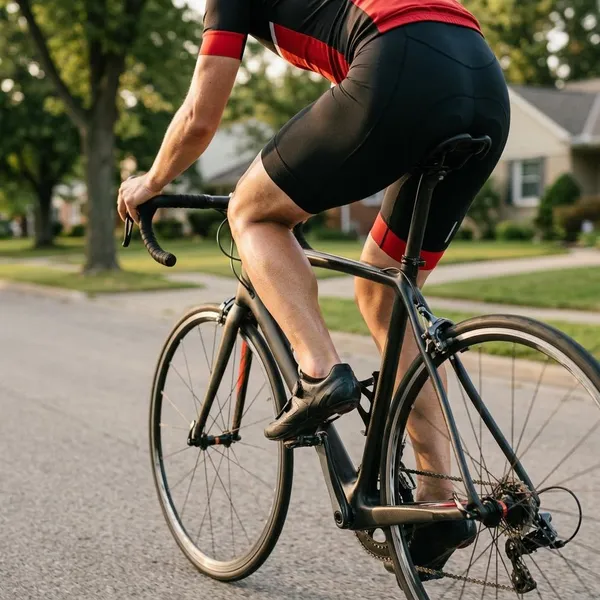
Feeling cycling mostly in your quads is common. Before blaming your genetics or the bike, check resistance first, then bike fit, riding position, and whether your glutes are strong enough to contribute.
Resistance Is Too Low
Low resistance lets you spin quickly without much hip drive. That can make the front of your thighs burn while your glutes barely feel involved.
A practical check: during a glute-focused effort, you should feel like you are pressing the pedal down and slightly back through the whole stroke. If it feels like light tapping, add resistance gradually.
Bike Fit Is Off
Bike fit can change which muscles do most of the work. A saddle that is too low or too far forward often makes the movement more knee-dominant, which can increase quad fatigue.
- Too low: knees stay overly bent and quads may dominate.
- Too far forward: you may push more from the knees than the hips.
- Unstable hips: the setup may be too high, too heavy, or poorly adjusted.
If discomfort keeps showing up in the same place, adjust one thing at a time rather than changing the whole setup at once.
Riding Position Is Too Quad-Dominant
A very upright, knee-driven style can make cycling feel all quads. A slightly more athletic position, with a stable torso and active hips, usually gives the glutes a better chance to help.
Do not force an extreme posture just to "feel" the glutes. The goal is a strong, balanced pedal stroke during climbs and resistance work, not an awkward position you cannot hold.
Glute Strength Is Limited
If your glutes are weak or underactive, your body will lean on the muscles that are already better at doing the job. For many riders, that means quads first and sometimes lower back second.
This is common for people who sit most of the day and then jump into cycling classes. A few weeks of basic glute strength work can make riding feel more balanced because the glutes finally have enough strength to contribute.
Does Indoor Cycling Build Glutes?
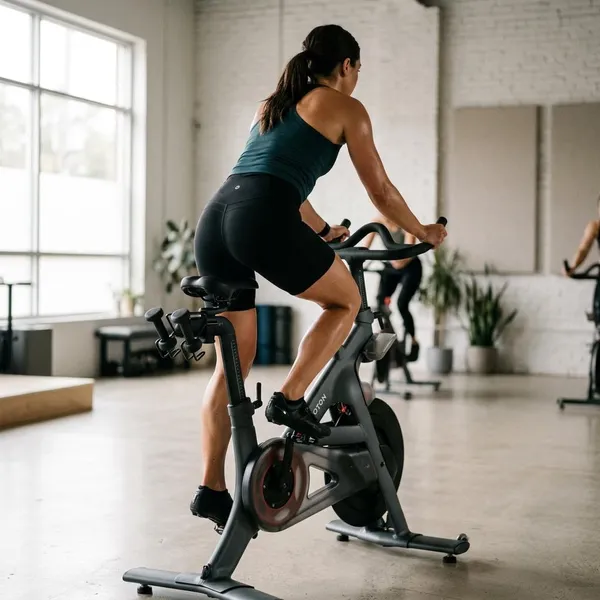
Indoor cycling can build stronger, firmer glutes when the workout uses real resistance. The advantage indoors is control: you can repeat the same climbs, intervals, and resistance targets without traffic, weather, or route changes getting in the way.
Resistance Adds Glute Load
The resistance knob is what decides whether an indoor ride is mostly cardio or more lower-body strength work. For glutes, choose a load that makes the pedal stroke feel powerful while your knees, hips, and lower back still feel controlled.
If you take spin classes, do not judge the workout only by sweat. A class can feel intense because of speed and music, but your glutes need enough resistance to have a real job.
Intervals Increase Glute Effort
Intervals let you push harder than you could during one long steady ride. Heavy 30-second pushes, 2-minute climbs, or short standing efforts can all raise glute effort without turning the whole session into a grind.
Controlled Workouts Make Progress Easier
Indoor riding makes progress easier to notice. You can repeat the same interval workout and check whether you can hold a little more resistance, stay smoother on climbs, or recover better between hard efforts.
This is useful for busy riders who train at home before work or after dinner. Even two planned indoor sessions a week can be more productive for glutes than random outdoor rides that never include hills or resistance.
How to Build Bigger Glutes With Cycling
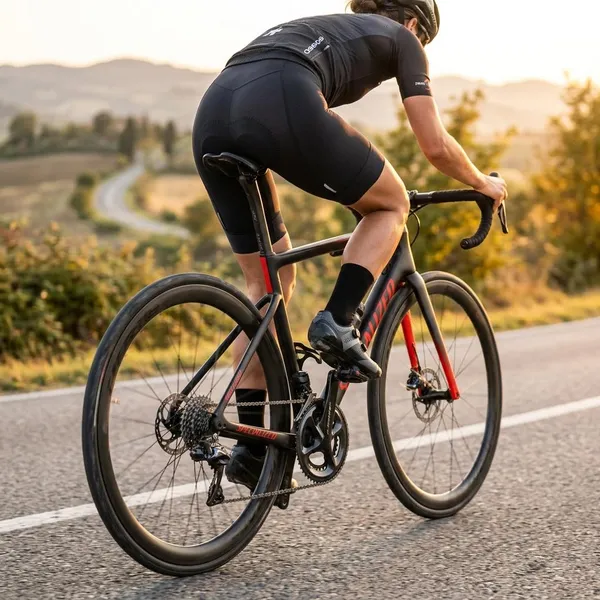
For bigger glutes, pair cycling with direct strength work. A simple weekly rhythm is two harder rides, two glute-focused lifting sessions, and enough easy recovery work that your legs are not constantly exhausted.
Add Hip Thrusts
Hip thrusts are a strong first choice because they train hip extension directly. Start with a weight you can control for 8 to 12 reps, pause briefly at the top, and avoid turning the movement into a lower-back arch.
Add Squats
Squats build overall lower-body strength and can support more powerful riding. To make them more useful for glutes, use controlled depth, keep pressure through the whole foot, and drive up without letting the knees collapse inward.
If you cycle several days a week, you may not need huge squat volume. A moderate amount done well is often better than adding so much leg work that your rides become sluggish.
Add Romanian Deadlifts
Romanian deadlifts train the hip hinge, which cycling does not load very directly. Push the hips back, keep the spine neutral, and stop the descent when you feel a strong hamstring stretch without losing control.
They are especially useful if your training is mostly spinning, because they add posterior-chain work that the bike may not fully cover.
Add Split Squats
Split squats help each side work on its own, which can reveal strength differences that a bike sometimes hides. A slight forward torso lean and controlled range of motion usually make them more glute-focused.
- For beginners: start with bodyweight or light dumbbells.
- For frequent cyclists: keep volume modest so your knees recover.
- For glute focus: push through the front foot and control the lowering phase.
Conclusion
Cycling is worth using for stronger, firmer glutes, but the way you ride matters more than the miles alone. If your rides include resistance, hills, and hard intervals, you can build better glute strength; if you want a noticeably bigger shape, add progressive strength training instead of expecting easy rides to do all the work.