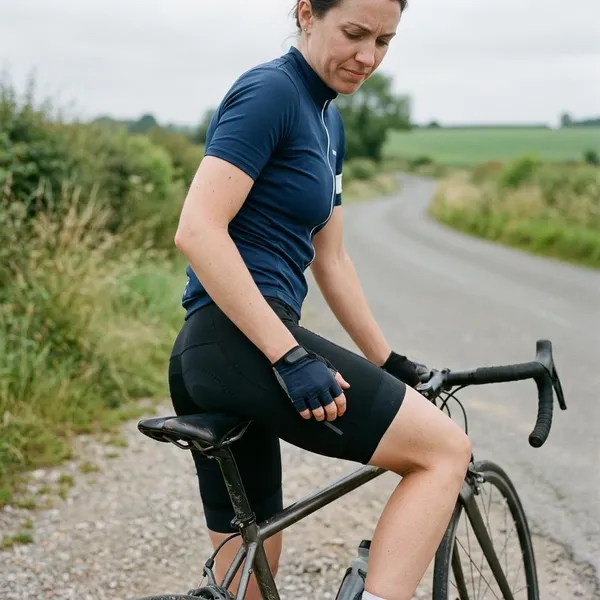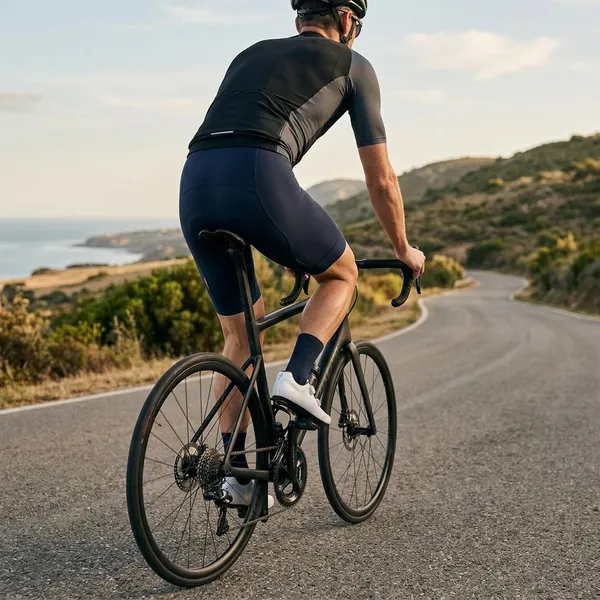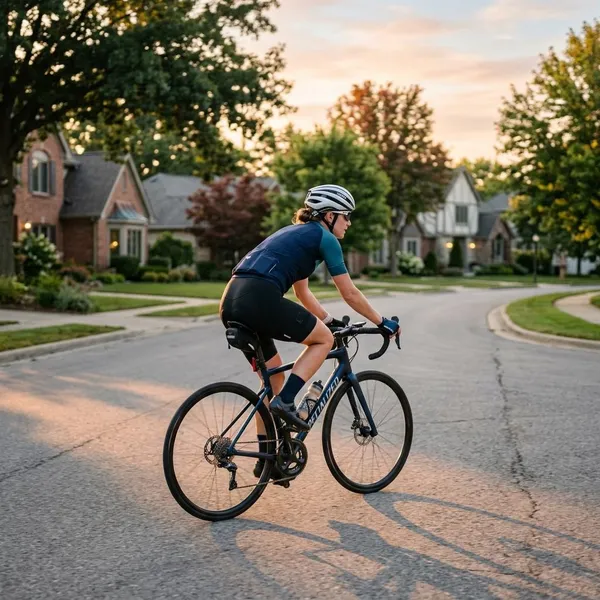
Cycling is a great way to stay fit and enjoy the outdoors, but knee pain while cycling can put a real damper on your ride. Whether you're just getting started or you've been cycling for years, knee pain can affect anyone. This guide explores the common causes of knee pain while cycling, how to fix it, and what steps you can take to prevent it from happening in the future.
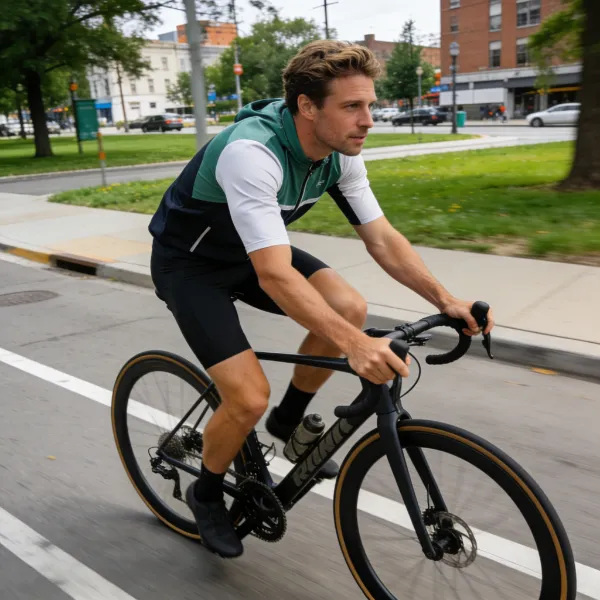
Where Your Knee Hurts and What It Can Mean
Knee pain while cycling can show up in different parts of the knee. Understanding where it hurts can help you identify the possible cause. Let's take a closer look at the different areas where you might feel pain and what they typically mean.
Front Knee Pain
Pain in the front of the knee, particularly around the kneecap, is a frequent issue for cyclists. This type of pain is usually caused by improper saddle height. If the saddle is too low, it can cause your knees to bend too much, leading to extra strain. Overuse and poor riding posture can also contribute to front knee pain.
- Adjust saddle height: The saddle should be high enough so that your leg is slightly bent at the bottom of the pedal stroke.
- Strengthen your quads: Weak quadriceps can contribute to knee pain. Incorporating leg exercises can help.
Back Knee Pain
Back knee pain usually stems from either an overly high saddle or an improper pedal stroke. When your saddle is too high, you end up overextending your leg on each stroke, which can strain the back of your knee.
- Lower the saddle: If your saddle is too high, lowering it slightly will help prevent overextension of your leg.
- Check pedal alignment: Ensure your pedals are aligned properly to reduce unnecessary stress on your knees.
Outside Knee Pain
Pain on the outside of your knee can often be linked to pedal or bike misalignment. When the pedals or cleats are out of alignment, it can cause your knee to rotate awkwardly with each pedal stroke, leading to discomfort. Tightness in the IT band is another common cause.
- Check bike alignment: Ensure the pedals and bike frame are correctly aligned.
- Stretch the IT band: Regular stretching of the IT band can help alleviate this type of pain.
Inside Knee Pain
Inside knee pain typically results from improper bike fit or poor pedaling technique. Misalignment of the saddle or pedals can force your knees into unnatural positions, leading to discomfort in the inner knee.
- Reevaluate saddle height: A slightly lower saddle can help ease pressure on the inside of your knee.
- Strengthen your inner thighs: Strengthening the muscles around your knee can improve stability and reduce pain.
Common Causes of Knee Pain While Cycling
Understanding the root causes of knee pain is key to fixing the issue. Let's take a look at some common reasons why your knees might hurt while cycling.
Poor Bike Fit
One of the most common reasons for knee pain is poor bike fit. If your bike isn't properly adjusted to your body, it can force you into unnatural positions that put extra strain on your knees. For example, a saddle that is too high or too low can cause unnecessary stress on your knee joint.
- Get a proper bike fit: Have a professional bike fitter adjust your saddle height, handlebar position, and pedal alignment to suit your body.
- Adjust saddle position: A simple saddle adjustment can make a big difference in preventing knee pain.
Training Too Much, Too Soon
Overdoing it with your cycling routine can lead to knee pain, especially if you're pushing yourself too hard, too quickly. Gradually increasing your riding distance and intensity will give your body time to adjust and reduce the risk of injury.
- Increase gradually: Avoid jumping into long, intense rides right away. Start small and build up your endurance over time.
- Take rest days: Your body needs time to recover, especially after intense cycling sessions.
Muscle Weakness and Tightness
Weak or tight muscles can contribute to knee pain. If your quadriceps, hamstrings, or hip flexors are weak or tight, they can throw off your riding mechanics and lead to discomfort.
- Strengthen muscles: Incorporate leg-strengthening exercises to improve muscle balance.
- Stretch regularly: Stretching your legs, especially your hamstrings and quads, can help keep muscles flexible and prevent pain.
Low Cadence and Heavy Gears
Cycling with a low cadence (pedaling slowly with high resistance) or using heavy gears can put a lot of pressure on your knees. It's better to pedal with a faster cadence and lower resistance to reduce stress on your knee joints.
- Increase cadence: Aim for a cadence of around 80–100 RPM to reduce knee strain.
- Use lighter gears: Shift to easier gears that allow you to maintain a quicker pedal stroke without overloading your knees.
How to Fix Knee Pain While Cycling
Knee pain doesn't have to keep you off the bike. With a few adjustments to your bike setup, riding technique, and overall fitness, you can relieve and prevent knee pain. Here's what you can do to get back on track.
Adjust Your Saddle Height and Position
An improperly adjusted saddle is often the culprit behind knee pain. If your saddle is too high or low, it forces your knee to move through an awkward range of motion, leading to pain.
- Saddle height: Set your saddle so that your knee has a slight bend when your foot is at the bottom of the pedal stroke.
- Saddle position: The saddle should be positioned correctly so that your knee doesn't overextend or bend excessively.
Reduce Training Load for a Few Days
If you're experiencing knee pain due to overuse, give your knees a break by reducing your training load for a few days. This will allow time for the inflammation to subside and for your body to recover.
- Take a break: Avoid cycling for a few days to let your body heal.
- Low-impact activities: Engage in low-impact activities like swimming or walking to stay active while giving your knees time to recover.
Improve Strength and Mobility
Weak muscles and poor flexibility can make your knees more vulnerable to pain. Strengthening your legs and improving your mobility will help prevent knee discomfort.
- Leg exercises: Focus on exercises that strengthen your quads, hamstrings, and calves.
- Stretching: Incorporate stretches for your hamstrings, quads, and hips to improve flexibility and reduce tension on your knees.
Change Your Cadence and Gear Choice
Adjusting your cadence and gear choice can make a big difference in how your knees feel during a ride. Pedaling faster with lighter gears reduces the load on your knees.
- Increase cadence: Aim for a higher cadence to reduce stress on your knees.
- Choose lighter gears: Use gears that allow you to pedal faster without putting too much strain on your knees.
When to See a Doctor or Physio
If knee pain persists despite making adjustments, it may be time to consult a doctor or physiotherapist. Certain symptoms indicate that professional help is needed to address the issue properly.
Pain That Doesn't Improve
If your knee pain doesn't improve after a few days of rest, or if it worsens, it could be a sign of a more serious problem that needs medical attention.
- Get medical advice: Persistent pain could indicate an injury that requires professional treatment.
- Physical therapy: A physiotherapist can guide you through exercises to help restore knee function.
Swelling or Sharp Pain
If your knee swells up or if you feel sharp, stabbing pain, it's important to get it checked out. Swelling can indicate inflammation or an injury that may need medical intervention.
- Ice and elevate: Ice can help reduce swelling, while elevating your leg can relieve pressure.
- Seek medical attention: Sharp pain and swelling require professional evaluation to rule out serious injuries.
Pain That Affects Walking or Daily Movement
If knee pain affects your ability to walk or do everyday tasks, you should seek help right away. This type of pain often indicates a more serious condition.
- See a doctor: A healthcare provider can assess your condition and recommend appropriate treatments.
- Consider physical therapy: A physiotherapist can develop a personalized plan to help you regain normal movement.
Conclusion
Knee pain while cycling doesn't have to sideline you for good. By understanding the common causes of knee pain and making some simple adjustments to your bike, riding technique, and training routine, you can get back on track and ride comfortably. Remember, if your knee pain persists, don't hesitate to consult a healthcare professional. Keep cycling, and enjoy those pain-free rides!