Cycling can help reduce tummy fat, but it works by reducing overall body fat, not by melting fat only from your stomach. The first thing to check is whether your rides are frequent enough, challenging enough, and supported by eating habits that do not replace all the calories you burned.
How Cycling Helps Reduce Tummy Fat
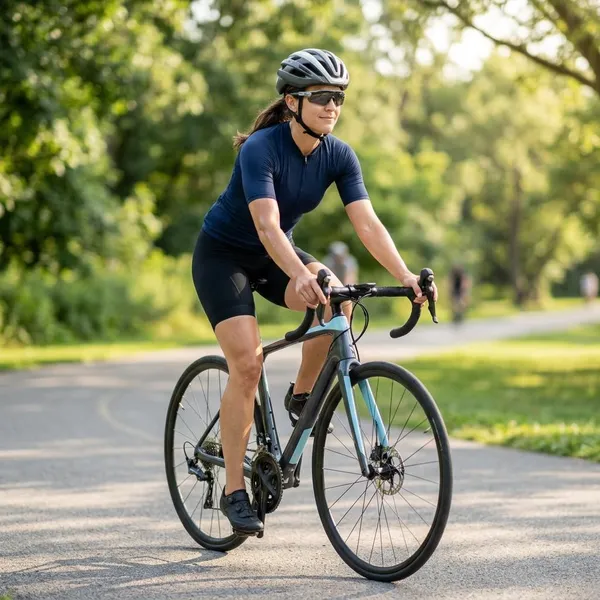
Cycling is useful for belly fat loss because it raises your weekly calorie burn and is often easier to repeat than harder-impact workouts. The important limit is this: you cannot choose where fat comes off first, so waist changes usually follow overall fat loss.
Burns More Calories
A bike ride can add a meaningful amount of energy use to your day, especially when you ride beyond a gentle roll around the block. Speed, hills, resistance, body weight, and ride length all change the result, so a 25-minute moderate indoor ride and a relaxed outdoor cruise will not have the same effect.
If your main goal is a smaller waist, treat cycling as one part of your weekly calorie balance. A short ride is still worth doing, but visible changes usually need repeated rides, not one hard session followed by six inactive days.
Supports Overall Fat Loss
Belly fat reduces when total body fat reduces. Cycling helps by increasing activity, improving fitness, and making it easier to maintain a calorie deficit without relying only on food restriction.
- Most important: create a small, consistent calorie deficit.
- Helpful support: add protein and some strength work to protect muscle.
- Useful check: track waist measurement, not just scale weight.
Makes Regular Cardio Easier to Maintain
For many people, the real advantage of cycling is that it feels doable. Someone with sore knees may tolerate cycling better than running, while a busy parent may find a stationary bike easier than driving to a gym.
That matters because a workout you can repeat for months beats a "perfect" fat-loss plan you quit after two weeks.
How Long Should You Cycle to Lose Belly Fat?
You do not need extreme rides to begin, but you do need enough weekly volume to matter. A practical starting point is to build a routine you can repeat before worrying about advanced workouts.
Start With 20 to 30 Minutes
If you are new or returning after a break, 20 to 30 minutes is a sensible first target. Ride at a pace where your breathing is clearly elevated but you can still speak in short sentences.
If that feels too much, start with 15 minutes and finish feeling like you could do it again tomorrow. Early consistency is more valuable than proving you can suffer through one long ride.
Ride Three to Five Times a Week
Three to five rides per week is a realistic range for many people trying to lose belly fat. Three rides can work if they are consistent and paired with good food choices; five rides may help faster, but only if recovery stays manageable.
- Beginner week: three rides of 20 to 30 minutes.
- Busy schedule: two short weekday rides plus one longer weekend ride.
- More experienced rider: four or five rides with mixed intensity.
Increase Time Gradually
Add time only after your current routine feels repeatable. A simple approach is to add 5 to 10 minutes to one or two rides per week, or make one ride slightly harder instead of making every ride longer.
Watch for the warning signs of doing too much too soon: heavy legs every ride, poor sleep, rising hunger, and skipping sessions because the plan feels exhausting.
Best Cycling Workouts for Belly Fat Loss
The best routine usually combines easier rides, harder efforts, and at least one longer session when your fitness allows. This gives you calorie burn, fitness improvement, and enough variety to avoid boredom.
Steady Rides
Steady rides are moderate efforts you can hold without constantly changing pace. They are especially useful for beginners, people managing joint stress, or anyone who wants fat-loss exercise without feeling drained after every session.
A good steady ride might be 30 to 45 minutes on a stationary bike or a calm outdoor route where your breathing stays controlled but not lazy.
Interval Rides
Intervals are short hard efforts followed by easier recovery. They are useful when you have limited time, but they should be added carefully.
- Simple start: warm up, then repeat 30 seconds hard and 90 seconds easy 6 to 8 times.
- Better for fitter riders: try 1 minute hard and 2 minutes easy for 6 to 10 rounds.
- Avoid: doing hard intervals every day just because they feel efficient.
One interval ride per week is enough for many beginners. If intervals make you ravenous or sore enough to skip the next ride, reduce them.
Longer Rides
Longer rides raise total weekly calorie burn without needing maximum intensity. For many riders, 45 to 90 minutes at a manageable pace is a useful range once the habit is established.
This is a good weekend option if weekdays are tight. It also suits people who enjoy outdoor routes more than structured workouts, because the ride can feel less like exercise and more like time away from screens.
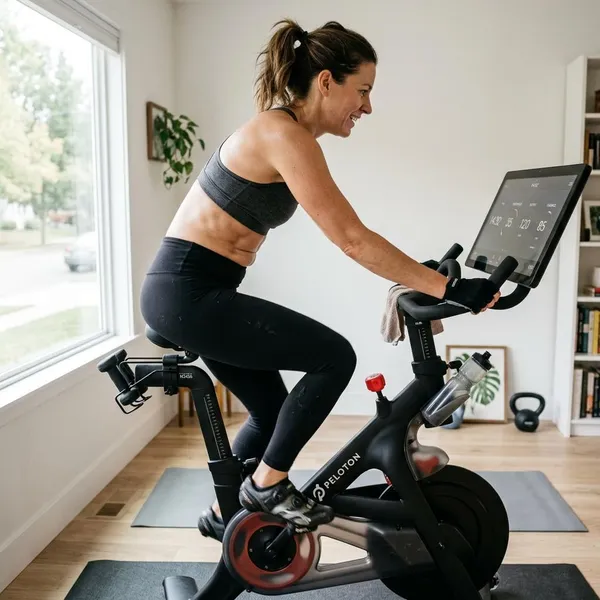
Can Indoor Cycling Reduce Tummy Fat?
Indoor cycling can absolutely support tummy fat loss if the effort is real and the habit is consistent. Your body responds to the workload, not to whether the bike is moving down a road.
Stationary Bikes Burn Calories
A stationary bike burns calories when you use enough resistance, cadence, or duration to raise your effort. The advantage is control: no traffic lights, no bad weather, no route planning, and no need to leave home.
For someone with a tight schedule, a 25-minute ride before work may be more effective than planning a perfect outdoor ride that rarely happens.
Indoor Rides Can Match Outdoor Effort
Indoor rides can be just as demanding as outdoor rides when you set the resistance properly. In some cases, they feel harder because there is less coasting.
| Situation | Better choice | Why it helps |
|---|---|---|
| Bad weather or dark evenings | Indoor bike | Removes excuses and keeps the routine steady |
| You enjoy routes and fresh air | Outdoor cycling | Makes longer rides easier to stick with |
| You need precise workouts | Indoor bike | Resistance and intervals are easier to control |
Consistency Matters More Than Location
The better option is the one you will actually use three or more times per week. A slightly boring indoor ride done regularly usually beats an exciting outdoor ride that happens once in a while.
If outdoor cycling feels unsafe because of traffic, darkness, or poor roads, indoor cycling is not a second-best choice. It may be the smarter fat-loss setup for your life.
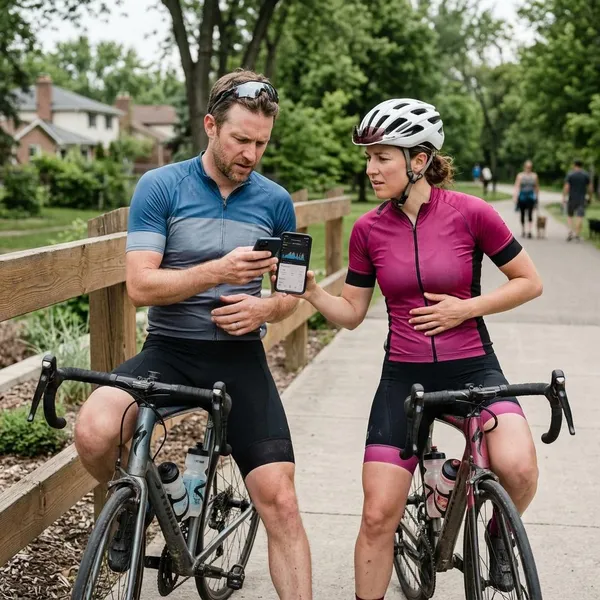
Common Reasons Cycling Is Not Reducing Belly Fat
If your waist is not changing, do not assume cycling "doesn't work." First check the basics: total weekly riding, food intake after rides, ride intensity, and recovery.
Eating Back Too Many Calories
This is the most common trap. A ride can be undone quickly by a large coffee drink, extra snacks, alcohol, or a "I earned it" meal afterward.
You do not need a strict diet for cycling to help, but you do need some awareness. A practical check is to keep post-ride food simple: protein, fiber, water, and a normal portion instead of turning every ride into a reward event.
Riding Too Little
One short ride per week is good for health, but it is unlikely to create visible belly fat loss on its own. Look at your full week rather than judging one workout.
- Too little: one casual ride and mostly sitting the rest of the week.
- Better: three planned rides plus more daily walking or movement.
- Stronger: four or five rides with one longer or harder session.
Keeping Every Ride Too Easy
Easy rides have a place, especially for recovery, but every ride should not feel like gentle sightseeing if fat loss is the goal. Add some moderate work, hills, resistance, or intervals once your base fitness is comfortable.
A simple test: if you finish every ride feeling exactly the same as when you started, your routine may need more challenge.
Ignoring Recovery
Recovery is not optional. Poor sleep, too many hard rides, and constant soreness can lower workout quality and increase hunger, which makes fat loss harder.
If you are cycling often, keep at least some rides easy and take a rest day when your body clearly needs it. The goal is not to win one week of training; it is to keep riding long enough for your waist measurement to change.

Conclusion
Cycling is a solid choice for reducing tummy fat when it becomes a regular part of your week and does not lead to overeating afterward. Start with rides you can repeat, add time or intensity gradually, and judge progress by your waist, energy, and consistency rather than expecting your stomach to change first.