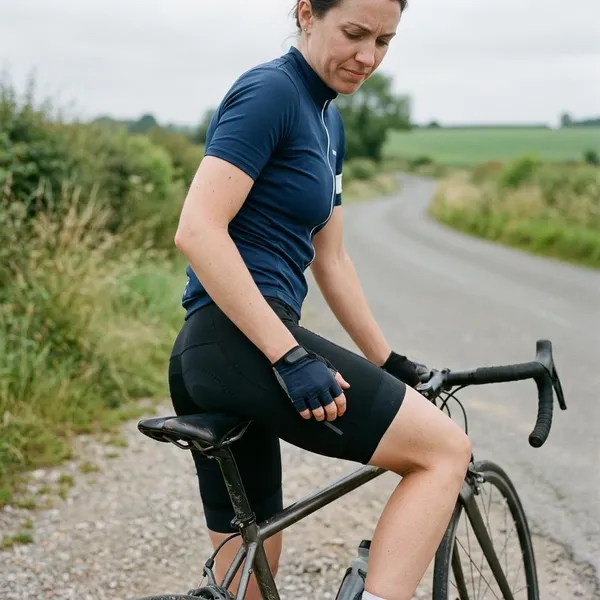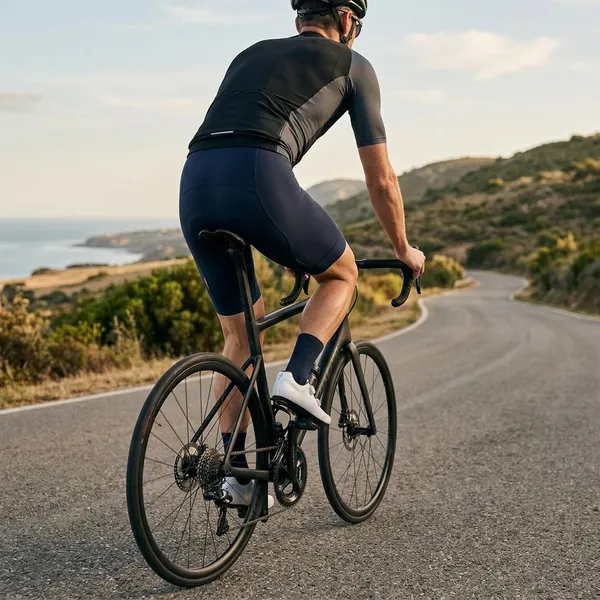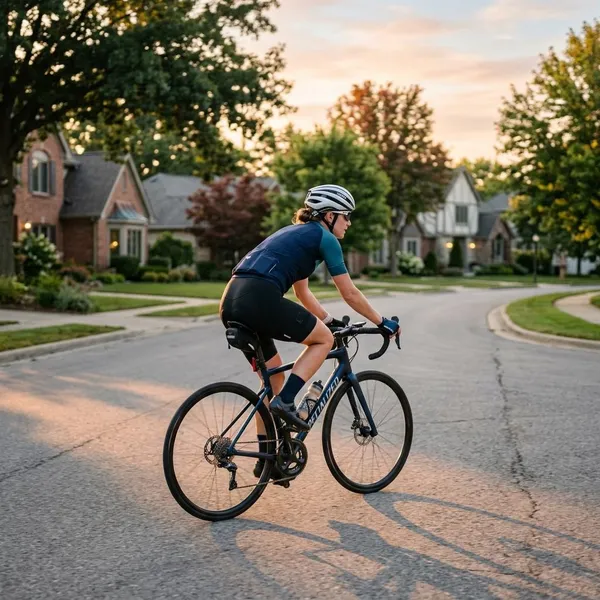
Cycling is a fantastic way to get in shape, and it's one of those exercises that works more muscles than you might think. Whether you're cycling outdoors or on a stationary bike, you're engaging muscles all over your body. But what muscles does cycling really work?
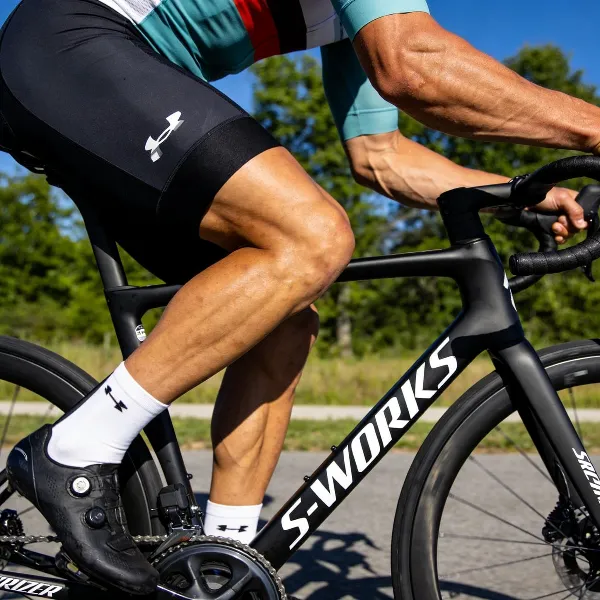
In this guide, we'll dive into the primary muscles used in cycling, as well as the secondary muscles that come into play, and how different techniques impact your workout. Whether you're a casual rider or a seasoned cyclist, understanding how cycling engages your muscles will help you improve performance, prevent fatigue, and enjoy a more efficient workout.
Primary Muscles Worked in Cycling
When you're wondering what muscles does cycling work, it's easy to assume that only your legs are doing the heavy lifting. While it's true that your lower body is the primary focus, cycling engages other muscles too, including your core and even your upper body. Let's take a closer look at the primary muscles targeted by cycling.
Quadriceps
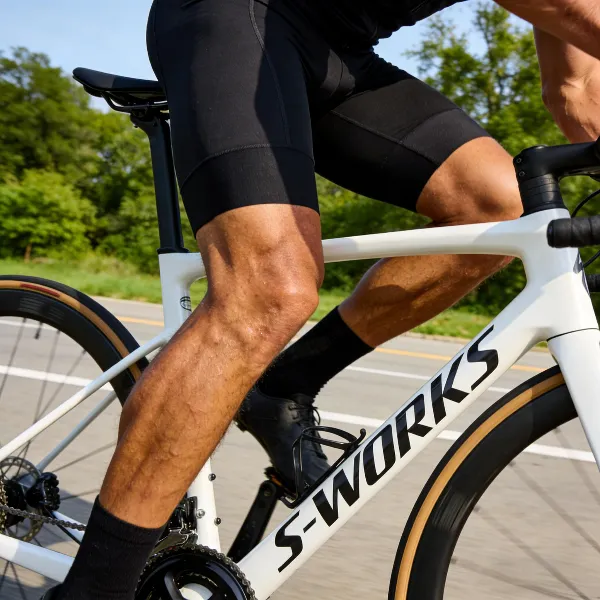
Your quadriceps are the stars of the show when it comes to cycling. Located at the front of your thighs, these muscles are responsible for extending your knee as you push down on the pedal.
Here's what they do:
- Generate power during the downstroke
- Extend your knee and push the pedal with force
- Work hardest when climbing or cycling at high resistance
In short, your quads power your ride. When you're tackling steep hills or pushing through a tough workout, they're the ones carrying most of the load.
Glutes
Your glutes, specifically the gluteus maximus, play a huge role in propelling you forward. These muscles kick in when you push down on the pedals and help maintain a smooth, powerful stroke.
Here's how your glutes help:
- Provide explosive power, especially during climbs
- Help extend your hip during the pedal stroke
- Stabilize your pelvis and keep you balanced
If you're looking to activate your glutes more, try adding resistance or standing during climbs. This will force your glutes to work even harder.
Hamstrings
The hamstrings, located at the back of your thighs, play a supportive role in cycling. Though they aren't the primary muscle group, they're essential for pulling the pedal upward during the upstroke.
How they help:
- Pull the pedal up during the recovery phase
- Control knee flexion and help balance the effort of your quads
- Allow for smooth pedal strokes
The key to engaging your hamstrings is to focus on pulling up during the upstroke rather than just pushing down. This creates a more efficient cycling motion and helps develop a balanced leg strength.
Calves
Your calves (the gastrocnemius and soleus) are also engaged during cycling, especially when you're focusing on foot control and stability.
What they do:
- Assist in pushing and pulling the pedal
- Stabilize the ankle joint
- Help maintain a consistent cadence
Though they're not the main powerhouse muscles in cycling, your calves still contribute to overall pedal efficiency, particularly during longer rides.
Secondary Muscles Engaged by Cycling
While cycling primarily works your legs, it doesn't stop there. Cycling is a full-body exercise that engages muscles in your core and upper body as well. Let's look at the secondary muscles that come into play.
Abdominals and Lower Back
Your core is essential for maintaining stability while cycling, helping you keep your posture and balance steady as you ride. The abdominals and lower back are particularly active, especially when you're riding for long periods.
Here's how your core muscles help:
- Stabilize your torso and prevent unwanted movement
- Support your posture and reduce the risk of back pain
- Transfer power from your legs to your upper body
Strong core muscles improve pedaling efficiency and keep you comfortable, particularly during long or challenging rides.
Shoulders and Arms
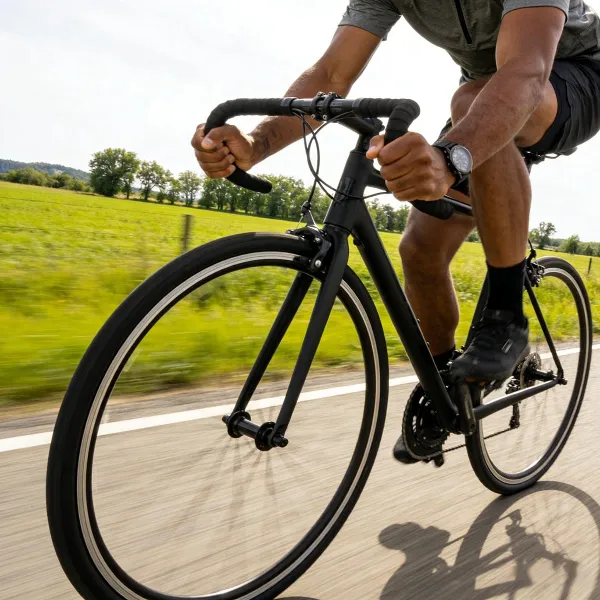
While your legs do the heavy lifting, your upper body is still involved. Your shoulders and arms help with stability and control, particularly when navigating rough terrain or sprinting.
What they do:
- Hold the handlebars and help you steer
- Absorb shock from bumps and uneven surfaces
- Support your upper body and prevent fatigue during long rides
Though cycling isn't primarily an upper-body workout, your arms and shoulders help maintain overall stability and control.
How Cycling Techniques Affect Muscle Engagement
When you're cycling, the way you ride can affect muscle engagement. Different techniques target different muscle groups more effectively, so understanding the mechanics of each phase can help you get the most out of your workout.
Downstroke Power Phase
The downstroke is the phase where the most power is generated. This is when your quads and glutes are doing the majority of the work.
Here's what happens:
- Maximum force is applied as you push down on the pedal
- Quads extend the knee and glutes extend the hip
- Force increases during climbs or high-resistance cycling
To activate these muscles more, focus on pushing through your heels. This helps engage the glutes more effectively and reduces strain on the knees.
Upstroke Recovery Phase
The upstroke is where your hamstrings and hip flexors come into play. While this phase doesn't require as much force as the downstroke, it's still crucial for a smooth pedal stroke.
What happens during this phase:
- Hamstrings lift the pedal up
- Hip flexors assist in raising the leg
- Smooth recovery keeps the rhythm flowing
By focusing on a circular pedaling motion, you'll better engage your hamstrings and improve your overall pedaling efficiency.
Climbing and High Cadence Muscle Activation
How you ride, including your cadence (speed) and whether you're climbing hills, will determine how your muscles are engaged.
Here's how different techniques impact muscle activation:
- Climbing (low cadence, high resistance):
When you climb hills, your glutes and quads take on more work because you're pushing harder against the resistance. - High cadence (fast pedaling):
Focusing on pedaling fast at a lower resistance helps improve endurance and increases muscle stamina. - Mixed terrain:
Switching between flats and hills helps engage different muscle groups and prevents fatigue from overuse.
By varying your riding style, you keep your muscles engaged in different ways, preventing boredom and burnout while building strength.
Additional Benefits of Cycling on Muscles
Cycling isn't just great for your legs and glutes—it's an awesome workout for your entire body. Regular cycling can bring a whole range of benefits beyond the obvious muscle activation.
Low-Impact Full-Body Workout
Cycling is a low-impact activity, meaning it's gentle on your joints while still being highly effective.
Here's why it's great for you:
- Minimizes joint stress compared to higher-impact activities like running
- Accessible for people of all fitness levels
- Can be done for longer periods without causing excessive wear and tear
Cycling is especially great for those recovering from injuries or anyone looking for a workout that's easy on the body but still effective.
Building Strength and Endurance
Cycling is unique because it helps build both strength and endurance.
Here's how:
- Strength comes from pushing through resistance and climbing hills
- Endurance builds as you cycle for longer periods or focus on speed
- Interval training builds both power and stamina
To maximize your results, try combining cycling with other strength-building exercises or interval training for faster gains.
Improving Posture and Stability
By focusing on core stability and muscle engagement, cycling helps you improve your overall posture and stability.
Here's what cycling can do for you:
- Strengthen core muscles for better spine support
- Improve balance and coordination
- Reduce back and neck pain by improving alignment
Over time, cycling will help you develop better posture, which will make everyday activities easier.
Conclusion
Cycling targets a wide variety of muscles, from your powerful quadriceps and glutes to your core and even your upper body. It's a full-body workout that builds strength, endurance, and muscle tone.Whether you're just starting or you've been cycling for years, focusing on proper technique and muscle engagement will help you improve your performance and overall fitness.