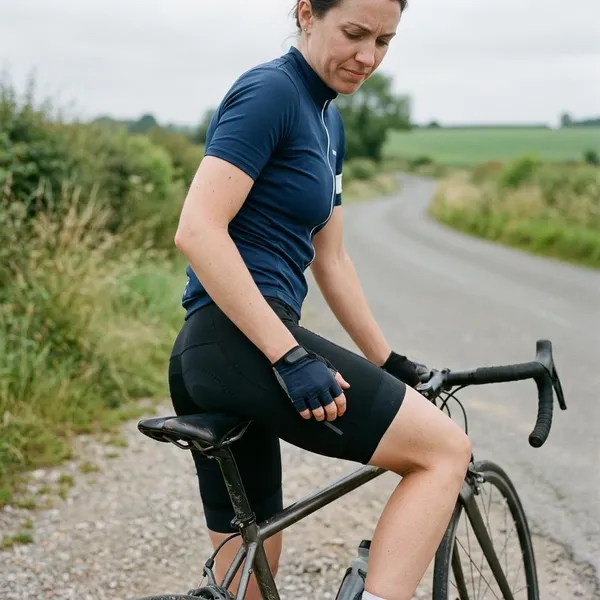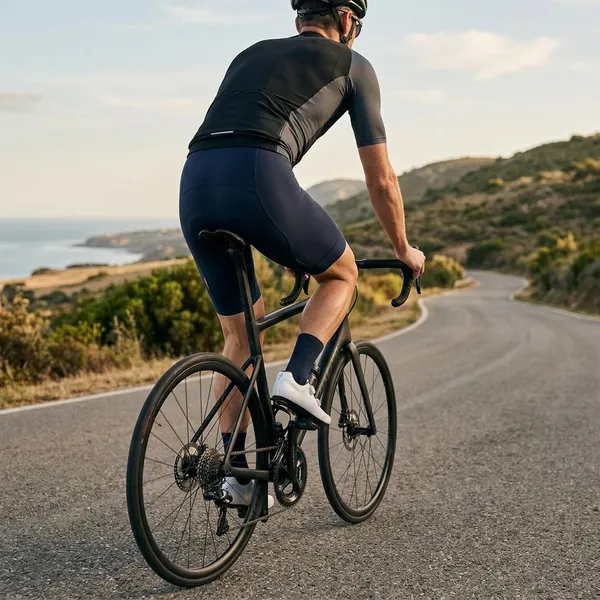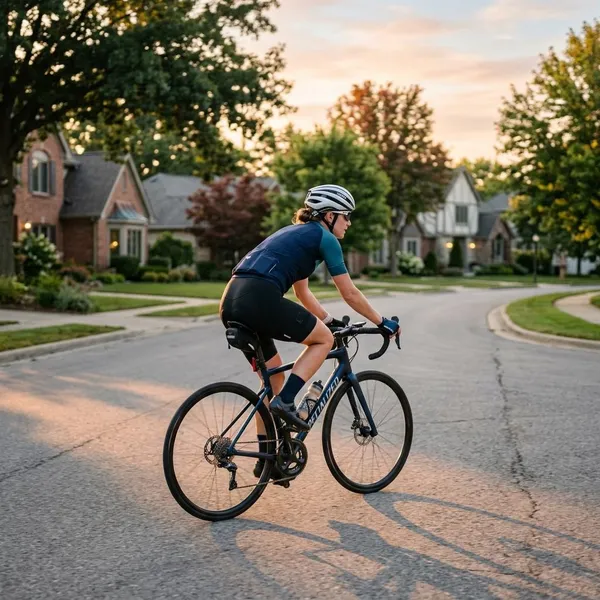
Cycling is one of the most fun and rewarding ways to stay active, explore the outdoors, and even get around town. If you're thinking about how to start cycling as a beginner, you've come to the right place! This guide will walk you through everything you need to know to get started, from picking the right bike to building your cycling confidence and fitness. Whether you're cycling for fun, fitness, or transportation, we've got you covered.
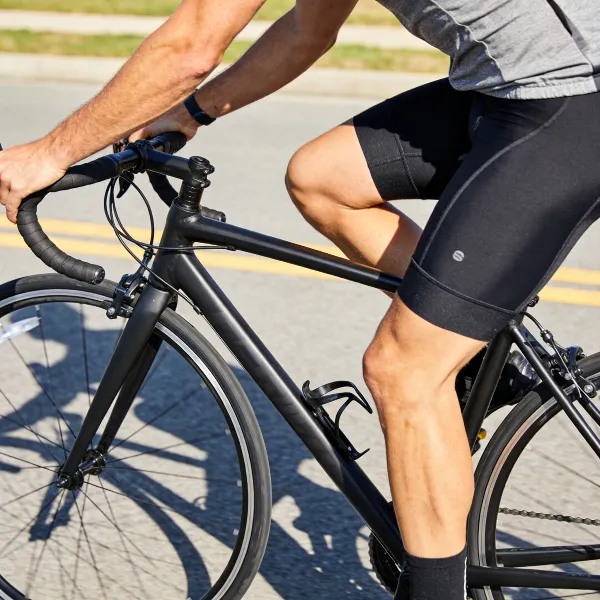
What You Need Before You Start Cycling
Before you jump on your bike, make sure you have the right gear and know the basics. Here's everything you'll need to get started:
Choose a Bike that Fits Your Needs
Choosing the right bike is crucial for a comfortable and enjoyable experience. If you're a beginner, a hybrid bike is often a great choice. It combines the speed of a road bike with the durability of a mountain bike, making it perfect for a variety of surfaces. Take time to test ride different models and sizes to make sure the bike fits you properly. A bike that's too big or too small can cause discomfort and even injury over time.
Wear the Basic Safety Gear
Safety comes first. No matter how confident you feel, always wear a helmet to protect your head in case of a fall. Padded cycling shorts can also make longer rides more comfortable, while gloves give you a better grip and prevent blisters. Make sure to wear bright, reflective gear if you plan to ride in low-light conditions, as this helps you stay visible to drivers. The right gear keeps you safe and comfortable.
Make Sure Your Bike Feels Comfortable
Comfort is key, especially when you're just starting out. Ensure that your bike's saddle is at the right height and that your handlebars are adjusted to a comfortable position. A comfortable setup reduces strain on your back and neck, making it easier to enjoy your rides. If you're not sure about the setup, consider getting a professional fitting to ensure everything is just right for your body.
How to Start Riding with Confidence
Starting cycling can be intimidating, but with the right approach, you can quickly build confidence. Here are some tips to help you get started:
Begin with Short, Easy Rides
If you're new to cycling, start with short, easy rides. A 20- to 30-minute ride on flat terrain will help you get used to the motion of cycling and build stamina. You can always increase the duration as you feel more comfortable. The goal is to build a routine, so don't worry about how far you're going—just enjoy the ride!
Practice on Quiet, Safe Routes
Avoid busy roads when you're first starting out. Look for quiet streets or designated bike paths where you can ride without worrying about traffic. Local parks or bike trails are perfect for beginners. These areas are generally safe and free of obstacles, making it easier to practice and gain confidence. As you improve, you can gradually explore more challenging routes.
Ride at a Pace You Can Handle
There's no need to rush. Ride at a pace that feels comfortable for you. If you're feeling out of breath or too tired, slow down. Cycling is about enjoying the journey, not keeping up with others. It's important to listen to your body, and over time, you'll naturally increase your pace as your fitness improves.
Basic Cycling Skills Every Beginner Should Learn
To become a confident and skilled cyclist, you'll need to master a few key techniques. Here are some essential skills that every beginner should practice:
Start and Stop Safely
Starting and stopping on your bike might feel tricky at first, but with practice, it will become second nature. When starting, push off gently with one foot, then start pedaling smoothly. When you're ready to stop, gently squeeze both brakes and lower your speed. Try to stop gradually rather than suddenly to avoid jerking your body.
Shift Gears Smoothly
Shifting gears is a key part of cycling, especially when tackling hills or rough terrain. Practice shifting gears while riding on flat ground before you hit any inclines. Shift before you lose momentum, and make sure to pedal lightly while shifting to prevent damaging your chain.
Brake and Turn with Control
Learning to brake and turn with control is crucial for staying safe on the road. Use both brakes evenly to slow down and avoid jerking the bike. When turning, always look in the direction you want to go. Lean slightly into the turn while keeping your hands firmly on the handlebars. Practice this skill in a quiet area before trying it on busy streets.
How to Build Fitness as a New Cyclist
Cycling is an excellent way to improve your fitness. With consistent effort, you'll see improvements in endurance and overall health. Here's how to build fitness as a beginner cyclist:
Ride Two to Three Times a Week
Aim to ride at least two to three times a week. This helps build consistency and endurance without overwhelming your body. Start with shorter rides, and as you get fitter, you can increase your ride frequency. Regular rides will also help you develop muscle strength and cardiovascular health.
Increase Time and Distance Gradually
Don't try to do too much too soon. Instead, focus on gradually increasing the time and distance of your rides. Add 5-10 minutes to each ride or cycle an additional mile each week. This gradual increase helps your body adapt to the demands of cycling without risking injury.
Add Longer Rides When You Feel Ready
Once you feel comfortable with shorter rides, try adding a longer ride to your routine. Longer rides help improve your endurance and give you a sense of accomplishment. Aim for one longer ride per week, and increase the distance as your fitness improves. Long rides are also great for building mental toughness.
Common Beginner Cycling Mistakes
Even seasoned cyclists can make mistakes, so here are a few things to avoid when you're just starting out:
Doing Too Much Too Soon
It's easy to get excited and overdo it, but pushing yourself too hard in the beginning can lead to burnout or injury. Start slow and build up your stamina over time. Listen to your body and rest when needed. Remember, cycling is a marathon, not a sprint.
Riding with a Poor Bike Setup
A poorly set-up bike can cause discomfort and even injuries. Make sure your bike is properly adjusted to your size. Pay attention to things like saddle height, handlebar position, and tire pressure. Regular maintenance is also key to keeping your bike in good condition.
Ignoring Rest and Recovery
Rest is just as important as the ride itself. Don't skip recovery days. Give your muscles time to rest and rebuild between rides. Overtraining can lead to fatigue and injury, so be sure to listen to your body and allow for proper recovery time.
Tips to Make Cycling Easier at the Start
Cycling can feel tough at first, but with a few simple tips, you can make it easier and more enjoyable:
Plan Simple Routes
In the beginning, stick to short, easy routes that don't have too many hills or tricky terrain. Look for flat bike paths or quiet residential streets. This helps build your confidence and keeps the ride enjoyable. As you gain more experience, you can explore more challenging routes.
Stay Hydrated on Every Ride
It's important to stay hydrated, especially during longer rides. Drink water before, during, and after your ride to keep your energy up and avoid dehydration. Carry a water bottle with you on every ride. If you're riding in hot weather, it's especially important to drink plenty of fluids.
Keep Cycling Fun and Consistent
The best way to stay motivated is to keep cycling fun. Find routes that you enjoy, invite friends to join you, or make a weekend cycling routine. When cycling feels like fun rather than a chore, you'll stick with it longer. Consistency is key to building fitness and improving your skills.
Conclusion
Cycling is an enjoyable, accessible, and effective way to stay active and fit. By following the steps outlined in this guide, you'll know exactly how to start cycling as a beginner and gradually build your skills and confidence. Remember to take it slow, stay safe, and most importantly, have fun on your rides. The more you cycle, the more you'll discover the joys and benefits of this fantastic activity!