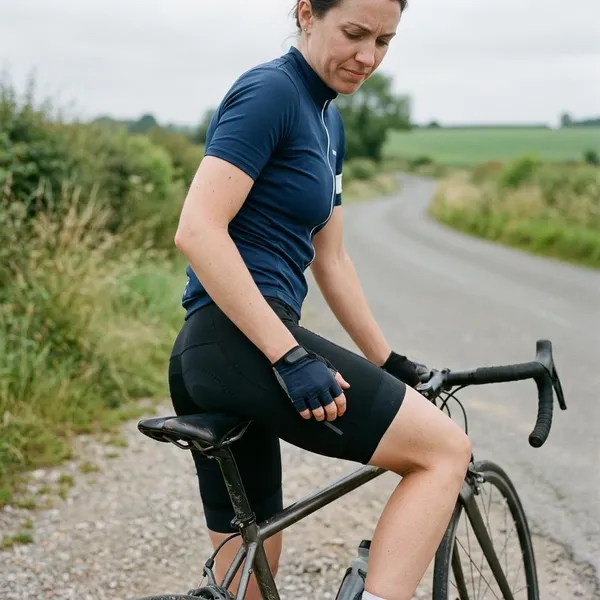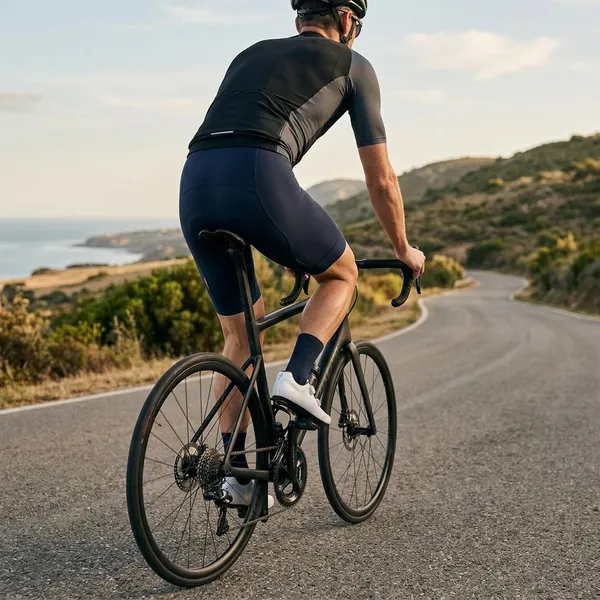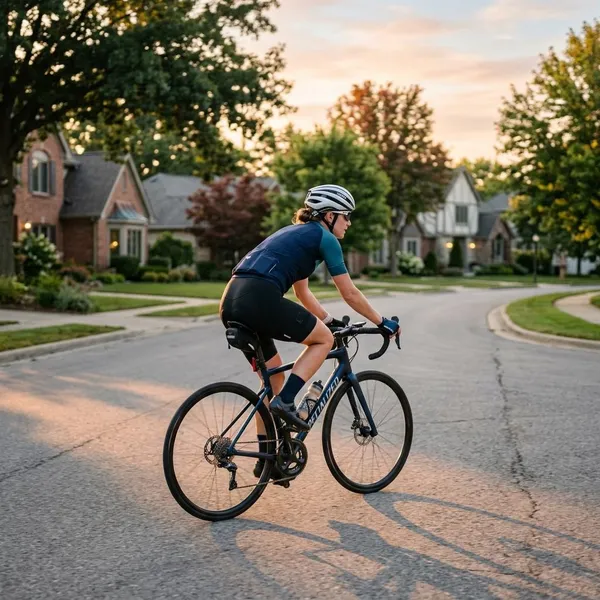
Cycling can build muscle, but mainly in your lower body and mainly when the ride gives your legs real resistance. If your rides are easy, flat, and steady, you will build more endurance than size; if you add hills, sprints, heavier gears, and enough food to recover, the muscle-building effect is much stronger. The honest answer to does cycling build muscle is yes, but it works best as strength-endurance unless you pair it with proper resistance training.
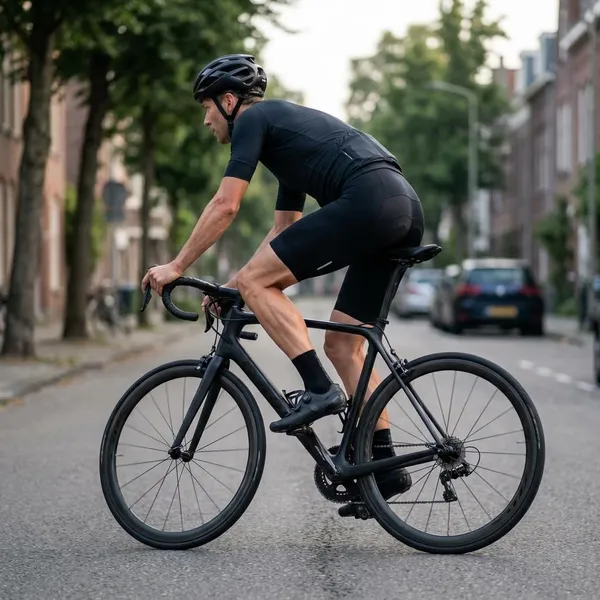
Which Muscles Does Cycling Build?
Cycling is most useful for the muscles that push the pedals and keep your body stable on the bike. The biggest changes usually show up in the quads and glutes first, while the hamstrings, calves, and core support the movement in a quieter way.
- Most involved: quads and glutes
- Support role: hamstrings and calves
- Stability role: core and lower back
Quads
Your quads, at the front of your thighs, do a lot of the work when you press down on the pedals. They are especially active during seated climbs, hard accelerations, and heavier-gear efforts.
If you mostly cruise on flat roads, your quads will become more fatigue-resistant, but they may not grow much. A rider who adds short hill repeats or controlled high-resistance blocks is much more likely to notice firmer, more defined thighs.
Glutes
The glutes help drive power through the pedal stroke, especially when resistance goes up. You will usually feel them more on climbs, standing efforts, and slower hard pushes than during light spinning. If your goal is more glute involvement, check your riding position too: a saddle that feels awkwardly low or a setup that keeps you cramped can make the quads take over too much.
Hamstrings
Hamstrings assist with hip extension and help smooth out the pedal stroke, but cycling does not usually load them as directly as exercises like Romanian deadlifts or hamstring curls. Clip-in pedals may make them feel more active, yet for real hamstring size, cycling should be treated as support work rather than the main builder.
Calves
Your calves work almost constantly while you ride because they help stabilize the ankle and transfer force through the foot. That repeated work is great for endurance and lower-leg definition.
Huge calf growth is less common from cycling alone. If your calves feel overworked or tight after every ride, it is worth checking saddle height, foot position, and whether you are pointing your toes too much instead of pedaling smoothly.
Core
Cycling uses the core mostly for control, not for big muscle growth. Outdoor riding, sprinting, and climbing demand more trunk stability than sitting upright on a very easy stationary bike, but direct core training is still the better choice if you want visible ab or lower-back development.
What Type of Cycling Builds the Most Muscle?
The rides that build the most muscle are the ones that make each pedal stroke harder, not just the rides that last longer. A two-hour relaxed spin may be excellent for cardiovascular fitness, but a shorter session with climbs, sprints, or heavy resistance gives your legs a clearer reason to adapt.
Hill Climbs
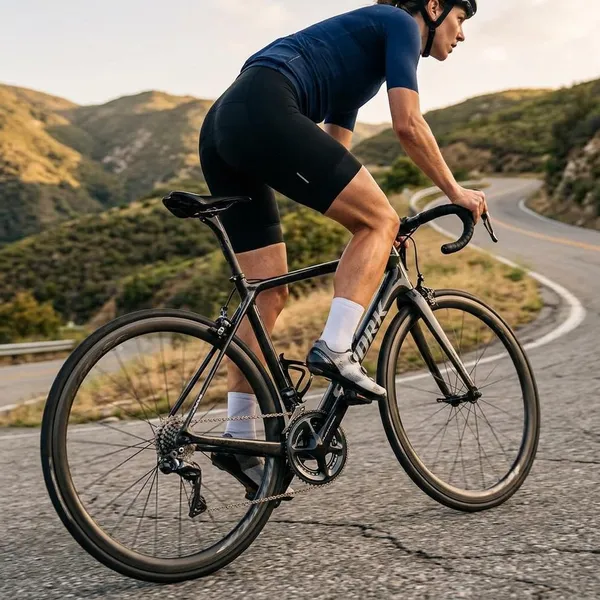
Hill climbs are one of the best cycling choices for lower-body muscle because gravity naturally raises the resistance. Seated climbs tend to hit the quads and glutes hard, while standing climbs add more body control and calf involvement.
You do not need dramatic mountain roads. A beginner might use a short local hill a few times per ride, while an indoor rider can raise resistance for a controlled climb block on a spin bike. The useful signal is simple: your legs should feel challenged without your form falling apart.
Sprint Intervals
Sprints recruit more high-force muscle fibers than relaxed riding. Keep them short and sharp rather than turning every sprint into a sloppy grind.
- Start easy: 4 to 6 sprints in one ride
- Keep them short: about 10 to 20 seconds
- Recover fully: ride easy until the next effort can be powerful
- Stop before form breaks: poor sprints add fatigue, not quality
High-Resistance Rides
High-resistance riding is useful when you want cycling to feel closer to strength work. Outdoors, that may mean a bigger gear on a gentle rise; indoors, it means turning up the resistance enough that your legs have to push, not just spin.
A good effort feels controlled and heavy, not painful in the knees. If you are grinding so slowly that your joints complain or your hips rock side to side, reduce the resistance and rebuild from there.
How to Cycle for More Muscle Growth
For more muscle growth, treat cycling like training rather than random mileage. The first priority is resistance, the second is progression, and the third is recovery and food. Without those three, cycling can still improve fitness, but the muscle gains will be limited.
Increase Resistance
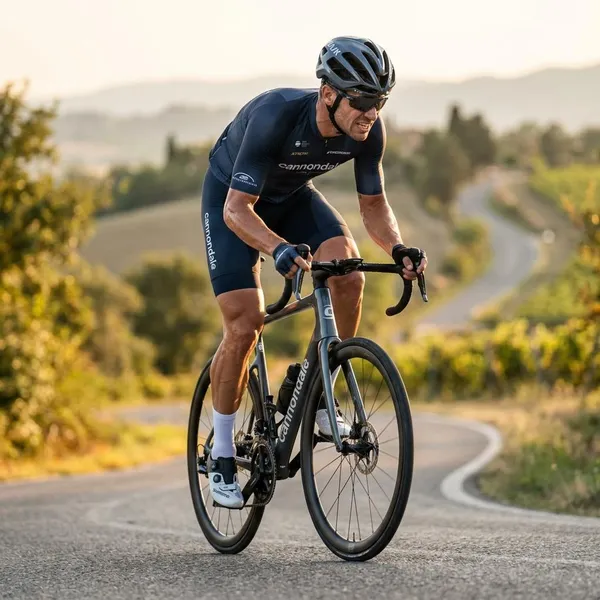
More resistance gives your muscles more force to produce per pedal stroke. Add it gradually with heavier gears, hillier routes, or higher resistance on an indoor bike. The check is practical: you should finish the hard section feeling your legs worked, but you should still be able to pedal smoothly.
Add Sprints
Sprints are best used in small doses. Add them after a proper warm-up, not at the very start of a ride when your legs are cold.
- Warm up for 10 to 15 minutes.
- Sprint hard for 10 to 20 seconds.
- Ride easy for 1 to 3 minutes.
- Repeat 4 to 8 times.
- Cool down until your breathing settles.
One or two sprint sessions per week is plenty for most recreational riders. If your next ride feels flat and heavy, you probably need more recovery, not more sprints.
Ride More Hills
Hills make progression easier because they add resistance without much planning. For a casual rider, one hill-focused ride per week can be enough to create a new challenge. For someone already riding often, hill repeats can replace one steady ride instead of simply adding more fatigue on top.
Progress Your Workouts
Muscles adapt when the challenge slowly increases. Pick one thing to progress at a time so you can tell what is working.
- More load: slightly higher resistance or a harder gear
- More work: one extra sprint or climb repeat
- Longer tension: a longer high-resistance block
- Harder terrain: a steeper or longer hill
A simple ride note is enough: what you did, how hard it felt, and whether your legs recovered well. If every session becomes harder but your sleep, appetite, and performance drop, progression has turned into overdoing it.
Eat Enough Protein
Training creates the signal, but food helps your body respond to it. Include protein in more than one meal per day from foods such as eggs, Greek yogurt, fish, chicken, lean meat, tofu, beans, or a protein shake if that is convenient.
Total food intake matters too. Someone cycling hard while dieting aggressively may get fitter and lighter, but building noticeable muscle will be much harder. If muscle gain is the goal, avoid treating every ride as a reason to eat less.
Cycling vs Strength Training for Muscle Growth
Cycling and strength training can complement each other, but they are not equal tools for building size. Cycling is excellent for leg endurance and conditioning; lifting is easier to load, measure, and progress for hypertrophy.
Cycling Builds Lower-Body Endurance
Cycling teaches your legs to repeat force for a long time. That is why regular riders often develop lean, capable-looking legs rather than bodybuilder-style size.
This is a good match if you want stronger legs for commuting, weekend rides, hiking, or general fitness. It is less ideal if your main goal is to add as much thigh or glute size as possible.
Strength Training Builds More Size
Strength training usually builds more muscle size because you can load the muscles through larger ranges of motion and increase that load in a planned way. Squats, lunges, leg presses, deadlifts, step-ups, and hip thrusts all challenge the legs and glutes differently than a bike does.
If you only have time for one method and your main goal is bigger muscles, choose strength training first. Cycling can still help with conditioning and extra lower-body work, but it should not be expected to replace progressive lifting completely.
Combining Both Works Best
The best setup for many people is a mix: use cycling for fitness and leg stamina, then use strength training for muscle size and balance. A practical week might include two or three rides plus two strength sessions, with the hardest rides and heaviest leg workouts separated when possible.
If you are new to exercise, start with fewer hard days and build slowly. If you already ride a lot, adding strength work may mean reducing one intense ride so your legs can actually recover and grow.
Conclusion
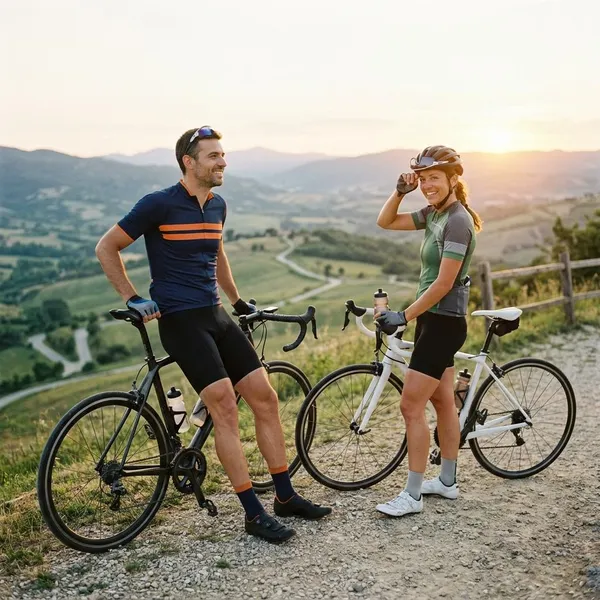
Cycling can build muscle when the ride is hard enough to challenge your legs, but it is better at building lower-body endurance than maximum size. If you want stronger, more defined legs, prioritize hills, sprints, resistance, steady progression, and enough protein; if you want the biggest muscle gains, keep cycling but make strength training part of the plan.