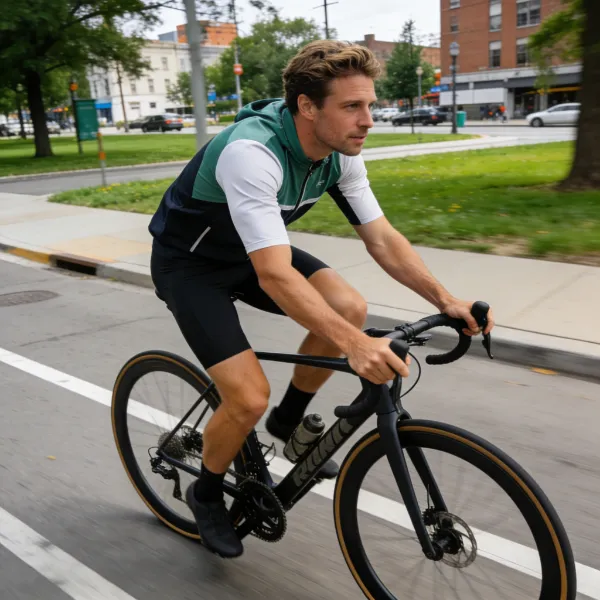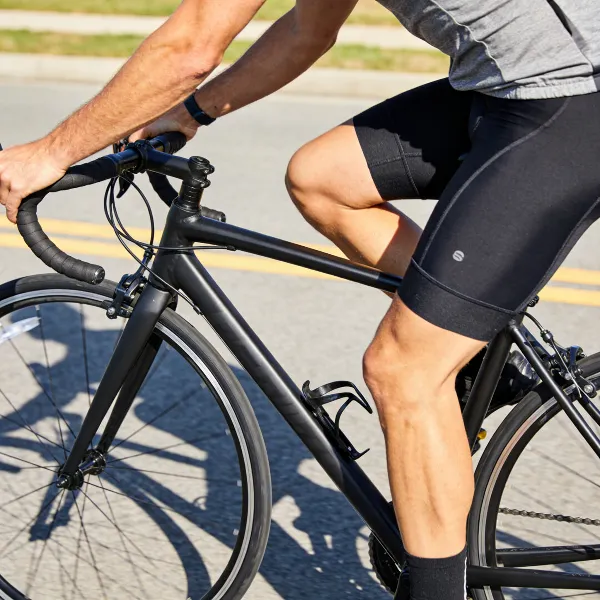
cycling is an effective way to improve fitness, particularly cardiovascular health, stamina, and lower-body endurance. It is also gentler on the joints than running, making it a practical choice for beginners and people returning to exercise. However, cycling alone does not provide enough strength training, bone-loading exercise, or mobility work for complete fitness, so it works best as the foundation of a balanced routine.
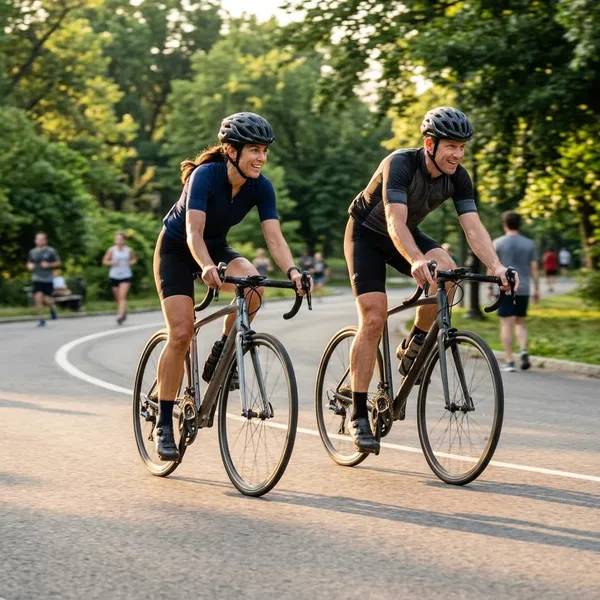
How cycling improves fitness
Cycling works well because you can make it easy enough to repeat and hard enough to progress. A beginner can ride gently for 15 minutes, while a fitter rider can use hills, resistance, or intervals to make the same activity much more demanding.
Builds aerobic endurance
Steady cycling trains your heart and lungs to keep working for longer periods. If you ride at a pace where you can still talk in short sentences, you are building the kind of aerobic base that makes stairs, walks, weekend activities, and longer workouts feel easier.
For most casual riders, the first goal should not be speed. It should be repeatable time on the bike: two or three comfortable rides per week, then one slightly longer ride when that feels manageable.
Improves leg stamina
Your quads, glutes, hamstrings, and calves all contribute while you pedal, so cycling is especially good for lower-body endurance. That does not mean it will build large legs for everyone; it more often helps your legs handle repeated effort without tiring as quickly.
- Flat easy rides: good for beginners and recovery days.
- Hills or higher resistance: better for stronger leg effort.
- Longer steady rides: useful for stamina and pacing.
Burns calories
Cycling can support weight management because it lets many people exercise for longer without feeling as beaten up as they might after high-impact workouts. Calorie burn still depends on ride length, effort, body size, terrain, and consistency.
If fat loss is the goal, treat cycling as one part of the plan rather than the whole plan. A few regular rides can help, but nutrition, sleep, and strength training usually decide whether body composition actually changes.
Offers cardio with less joint impact
Because the bike supports much of your body weight, cycling is usually gentler on the knees, hips, and ankles than running or jumping-based workouts. That can make it a sensible choice for beginners, older adults, people carrying extra weight, or runners who want extra cardio without more pounding.
Low impact is not the same as no risk. If your saddle height is wrong, you increase volume too quickly, or every ride is hard, your knees or lower back may still complain.
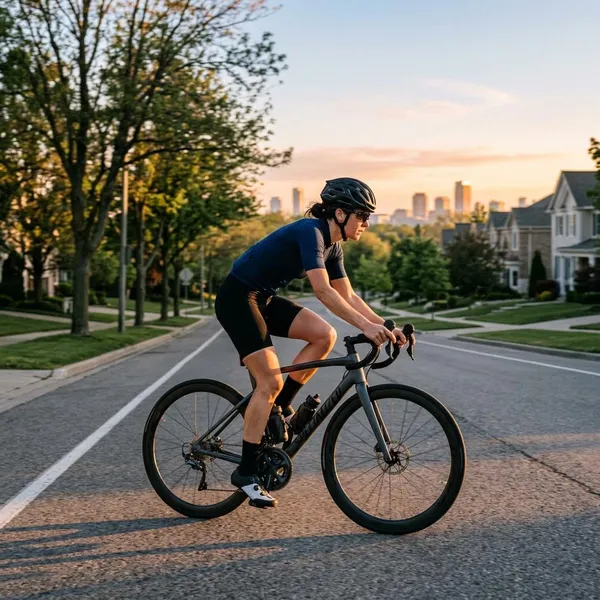
Is cycling enough for overall fitness?
Cycling can be enough if your goal is simply to become more active and improve cardio fitness. For a more rounded body that stays strong, mobile, and resilient off the bike, it needs a few additions.
Add strength exercises for all major muscle groups
Cycling under-trains your upper body, core, and many pulling, pushing, and bracing movements. Two short full-body strength sessions per week can cover most of that gap.
- Squat or split squat: legs and hips.
- Hip hinge or deadlift pattern: glutes, hamstrings, and back strength.
- Row or pull-down: upper back balance.
- Push-up or chest press: pushing strength.
- Plank or carry: trunk stability.
This matters most if cycling becomes your main weekly exercise. A casual weekend rider may only need a simple routine, while someone riding most days should take strength work more seriously to avoid becoming fit in only one pattern.
Include weight-bearing activity
Cycling is not strongly weight-bearing, so it does not challenge your bones in the same way as walking, hiking, jogging, stair climbing, or standing strength work. You do not need to turn into a runner, but it is smart to keep some on-foot movement in your week.
A practical option is to pair riding with regular walks. For example, someone using an indoor bike on busy weekdays could still add a 20-minute walk at lunch or after dinner for bone-loading, posture, and general movement variety.
Keep mobility work in your routine
The cycling position can make your hips, calves, chest, and upper back feel tight, especially if you sit at a desk too. A few minutes of mobility after rides is usually more realistic than saving everything for one long stretching session you never do.
- Open the hip flexors after longer rides.
- Move the ankles and calves if pedaling feels stiff.
- Add chest and upper-back mobility if your shoulders round forward.
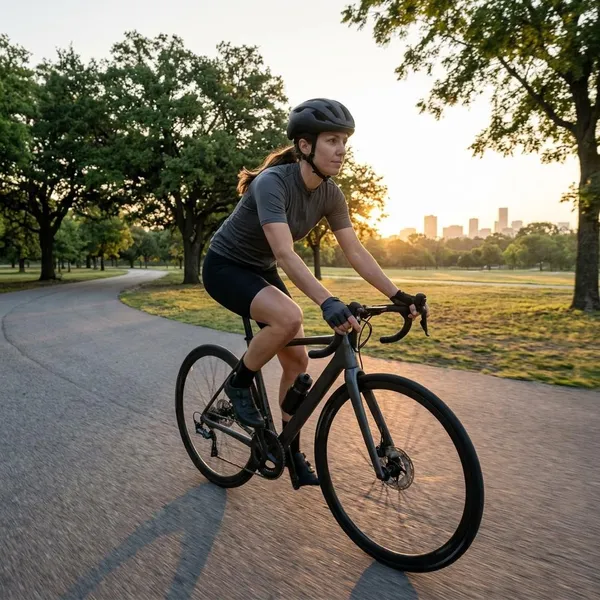
How to start cycling for fitness
The easiest way to make cycling work is to start smaller than you think you need to. Comfort, consistency, and recovery matter more in the first month than chasing distance or speed.
Choose an indoor bike or outdoor route
Pick the version you will actually use. An indoor bike is best if weather, traffic, childcare, or schedule makes outdoor rides unreliable. Outdoor cycling is better if scenery, fresh air, and a sense of movement keep you motivated.
| Situation | Better starting choice | Why it helps |
|---|---|---|
| Busy weekdays | Indoor bike | Less setup time and no weather excuse |
| Nervous around traffic | Stationary bike or protected path | Lets you build fitness before handling road stress |
| Gets bored indoors | Outdoor route | Scenery and terrain make rides feel less repetitive |
A mix often works best: indoor rides for routine, outdoor rides when you have more time.
Adjust the bike for comfort
Before increasing ride time, check the setup. At the bottom of the pedal stroke, your knee should still have a slight bend, not lock out or stay deeply bent. Your reach to the handlebars should feel controlled, not like you are stretching your back and shoulders to stay in place.
Do not ignore sharp pain, numbness, or knee discomfort. Mild saddle soreness can happen early on, but repeated pain usually means the fit, resistance, position, or ride length needs adjusting.
Start with short, manageable rides
A good first target is 10 to 20 minutes, two or three times per week, at an easy to moderate effort. Stop while you still feel like you could do a little more; that makes the next ride easier to start.
- Warm up gently for a few minutes.
- Ride at a pace you can control.
- Keep resistance light enough for smooth pedaling.
- Finish before form or comfort breaks down.
Build ride time gradually
Once short rides feel normal, add time slowly. Increasing one or two rides by 5 to 10 minutes is usually enough progress for a week. Avoid making the same ride longer, harder, and more frequent all at once.
Back off if you notice nagging knee pain, unusual fatigue, poor sleep, or a sudden drop in motivation. Those are often signs that the plan is moving faster than your body can adapt.
Balance riding with recovery
Daily cycling can work for some people, but daily hard cycling is where many beginners run into trouble. If you ride often, make some sessions genuinely easy and leave space for strength, walking, mobility, or full rest.
Think of recovery as what lets the habit continue. A rider commuting gently most days has a different recovery need than someone doing spin intervals five times a week, so adjust based on effort, not just the number of rides.

Conclusion
Cycling is a strong fitness choice if you want better cardio, steadier energy, and a workout you can repeat without heavy joint impact. Use it as your main engine for endurance, then add simple strength work, some weight-bearing movement, and enough recovery so your fitness carries over into everyday life instead of only improving your pedaling.