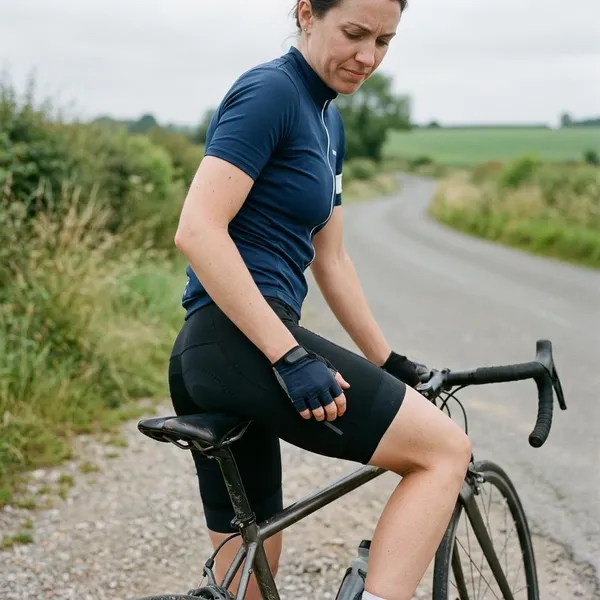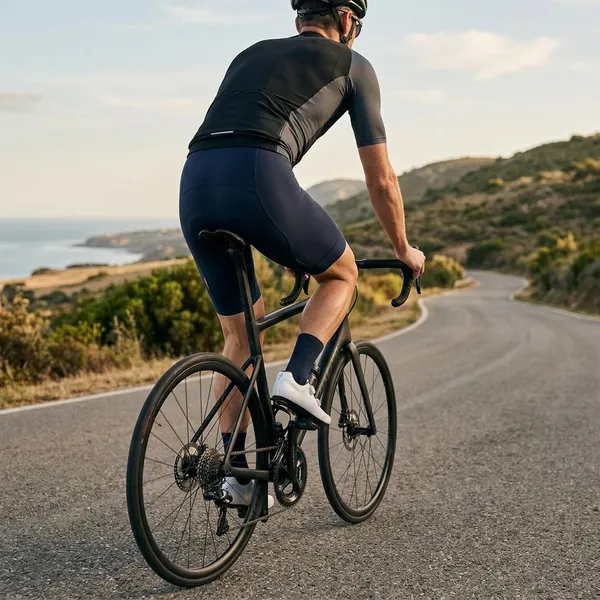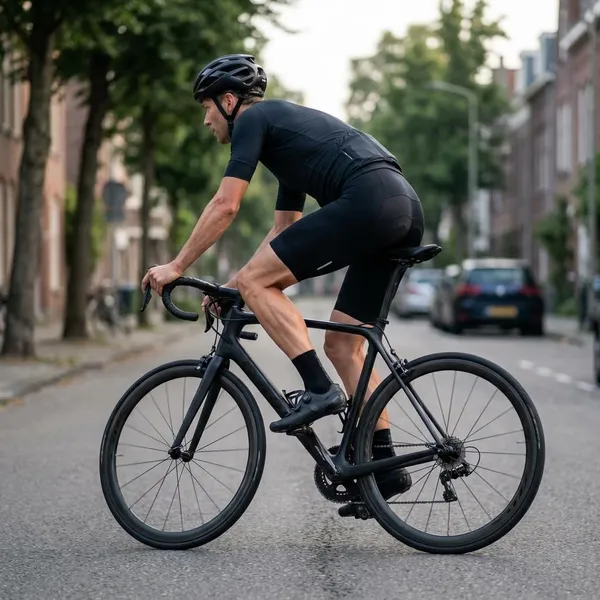
Cycling is a good workout if you want cardio that is joint-friendly, repeatable, and easy to scale. It is strongest for heart fitness, calorie burn, and leg endurance, but it is not a complete strength routine by itself. If your goal is general fitness, start with rides you can repeat consistently, then add resistance, hills, or intervals once easy rides feel too comfortable.
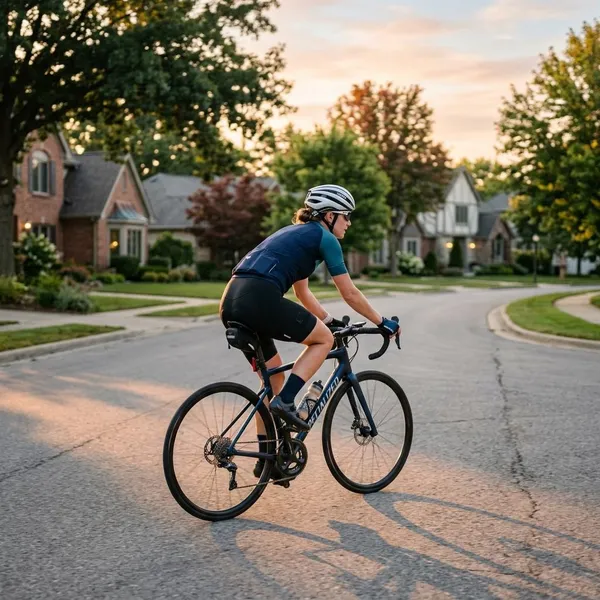
Is Cycling Good for Weight Loss?
Cycling can support weight loss well because it burns calories without the pounding that makes some people quit running or jump-based workouts. The main thing to check first is not how hard one ride feels, but whether you can ride often enough to create a steady weekly habit.
Burns More Calories
The calorie burn depends on your size, pace, resistance, route, and ride length. A relaxed ride is still useful for movement, but a hilly outdoor ride or a higher-resistance indoor session will usually demand more energy.
- Short on time: use a harder 20- to 30-minute ride.
- New to exercise: begin with easier rides you can finish comfortably.
- More experienced: combine steady rides with one harder session each week.
Supports a Calorie Deficit
Weight loss still comes down to a calorie deficit, and cycling helps by raising your activity level. It will not cancel out consistently overeating, so the practical approach is to pair regular rides with eating habits that feel realistic, not extreme.
A common mistake is treating one hard ride as permission to ignore the rest of the week. For most people, three manageable rides and steady food choices beat one exhausting workout followed by several inactive days.
Makes Longer Workouts Easier
Because cycling is low impact, many people can stay on the bike longer than they could run. That matters if you are carrying extra weight, coming back after a break, or trying to build fitness without sore joints dominating the next day.
For example, a beginner might handle a 40-minute easy ride far better than a 20-minute run. The ride may feel less dramatic, but the total work can still be useful because you actually complete it and recover well enough to do it again.
Helps You Stay Consistent
Consistency is where cycling often wins. Outdoor rides can feel more like recreation than a workout, while a stationary bike removes excuses like traffic, darkness, or bad weather.
If you know you dislike intense gym sessions, cycling may be the more sensible fat-loss tool simply because it fits your life. The best workout is not the hardest one on paper; it is the one you can repeat for months.
What Muscles Does Cycling Work?
Cycling mainly trains the lower body, with the core helping you stay stable on the bike. It can make your legs more durable, but it should not be confused with a full-body muscle-building program.
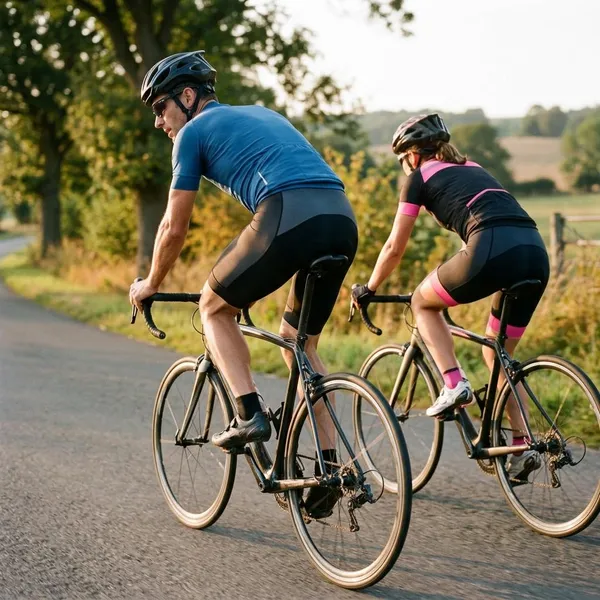
Quads
Your quads do much of the work when you push the pedals down, especially during climbs, sprints, and high-resistance indoor rides. If stairs or hills start feeling easier after a few weeks of riding, your quads are probably a big reason.
Glutes
The glutes help produce power and keep your hips steady. They work harder when you ride uphill, increase resistance, or focus on strong, controlled pedal strokes instead of just spinning lightly.
Cycling can improve glute endurance, but it will not replace heavier strength exercises if your main goal is building noticeably bigger or stronger glutes.
Hamstrings
Your hamstrings assist through the pedal stroke and help control the leg as it cycles around. They are not always the star muscle in casual riding, but smoother pedaling and hill work bring them into the effort more clearly.
Calves
The calves help stabilize your ankles and transfer force through the pedals. You may notice them most during standing climbs, faster cadence changes, or long rides where small stabilizing muscles start to fatigue.
Core
Your core keeps your torso steady so your legs can work efficiently. If you start rocking side to side, rounding your back, or leaning heavily on your hands late in a ride, your core and posture may be tiring before your legs are truly done.
How to Make Cycling a Better Workout
Once basic rides feel comfortable, the next step is to change the demand, not just add more minutes. Resistance, hills, intervals, effort tracking, and recovery all make cycling more productive when used with a clear purpose.
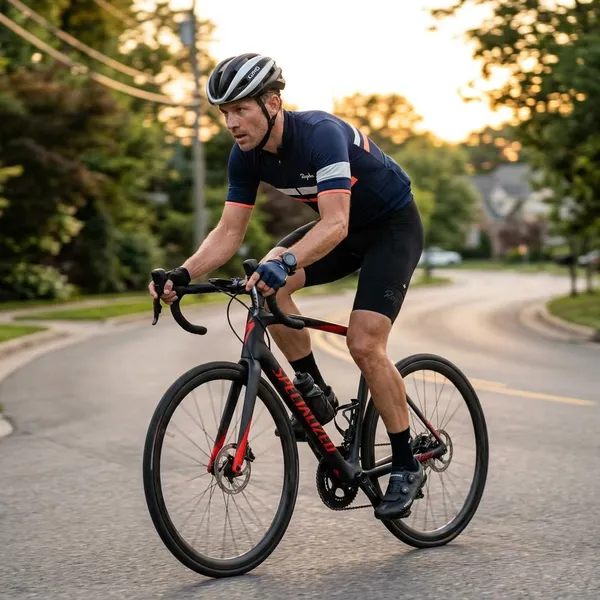
Add More Resistance
More resistance makes your legs push harder. On a stationary bike, raise the resistance gradually; outdoors, use a harder gear only when you can keep your form smooth.
Do not turn every ride into a grind. A useful simple pattern is 3 minutes comfortable, 1 minute harder, then 2 minutes easy, repeated several times. If your knees feel irritated or your pedal stroke gets choppy, back off.
Ride More Hills
Hills are an easy way to make an ordinary route more demanding. They raise your heart rate, challenge your glutes and quads, and force you to pace yourself instead of cruising at one flat-road effort.
If you are new to hills, add one or two short climbs before building a route around them. For indoor cycling, raising resistance for short seated climbs gives you a similar training effect without needing a hilly area.
Use Interval Training
Intervals are best when you want a stronger workout in less time. Try this once a week before adding more hard sessions:
- Warm up easily for 8 to 10 minutes.
- Ride hard for 30 to 60 seconds.
- Recover easily for 1 to 2 minutes.
- Repeat 6 to 8 times.
- Cool down for 5 minutes.
The hard parts should feel challenging, not reckless. If you cannot recover between efforts, shorten the hard interval or make the recovery longer.
Track Your Effort
Tracking keeps you from doing every ride at the same middle effort. You can use heart rate, bike resistance, speed, cadence, distance, or just a 1-to-10 effort rating.
| Ride feel | How it should feel | Best use |
|---|---|---|
| Easy | You can talk in full sentences | Recovery, beginners, longer rides |
| Moderate | You can talk, but not comfortably | General fitness and steady calorie burn |
| Hard | Short phrases only | Intervals, hills, fitness gains |
Recover Between Hard Rides
Hard rides only help if you recover from them. Heavy legs, poor sleep, low motivation, or worse performance on rides that should feel normal are signs you may need an easier day.
A balanced week might include two moderate rides, one harder interval or hill session, one easy longer ride, and at least one rest or very light day. Beginners can start with less; daily riders should keep some rides genuinely easy.
Is Cycling Enough Exercise on Its Own?
Cycling can be enough if your main goal is cardio fitness and better leg endurance. If you want balanced strength, better posture, and more complete injury resistance, it needs support from strength training.

Covers Cardio Well
Cycling is excellent for cardio because you can ride gently, steadily, or intensely depending on your fitness. A beginner might use easy rides to build the habit, while a fitter rider can use tempo rides and intervals to push heart and lung capacity.
Builds Lower-Body Endurance
Repeated pedaling teaches your legs to keep working for longer. That endurance can carry over to walking, stairs, commuting, weekend rides, and sports that require sustained lower-body effort.
The limit is strength. Being able to ride for an hour does not automatically mean you are strong at lifting, carrying, pushing, or pulling.
Misses Upper-Body Strength
Cycling uses the arms and shoulders for control, but not enough to build much upper-body strength for most people. If biking is your only exercise, pushing, pulling, and carrying strength can lag behind your cardio fitness.
Needs Strength Training for Balance
Two short strength sessions per week can fill most of the gap. Focus on basic movements rather than complicated routines:
- Squats or split squats
- Hip bridges or deadlift patterns
- Push-ups or presses
- Rows or pull-downs
- Planks or other core stability work
This is especially useful if you ride often, sit a lot during the day, or notice tight hips, rounded shoulders, or recurring aches after longer rides.

Conclusion
Cycling is a smart workout choice when you want fitness that is effective, low impact, and easy to keep doing. Use it as your main cardio tool, make rides harder gradually, and add simple strength work if you want a more balanced body. The best starting point is not an extreme plan; it is a ride schedule you can repeat without dreading the next session.