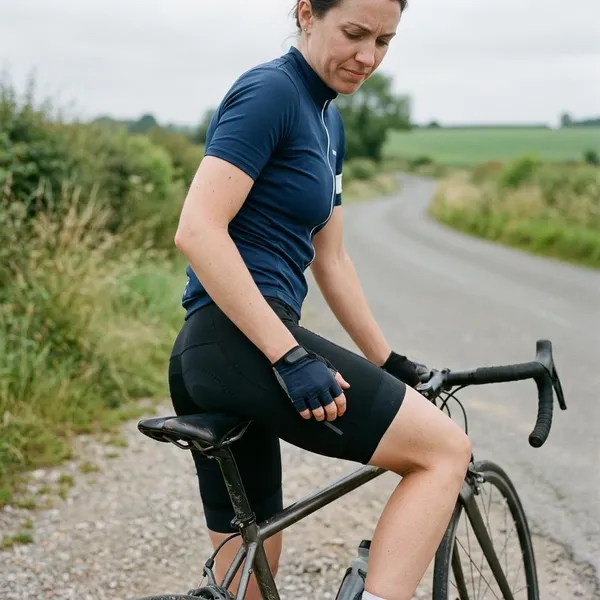
Yes, cycling is cardio when it raises your heart rate and keeps you moving long enough to challenge your heart and lungs. A slow spin can be light cardio, a steady ride can build endurance, and hills or intervals can turn the same bike into a vigorous workout. The main thing to check is not the bike itself, but your effort: breathing, pace, resistance, and how long you can sustain it.

What Are the Cardio Benefits of Cycling?
Cycling is useful cardio because it works large lower-body muscles continuously while keeping impact relatively low. That combination makes it a practical choice if you want better fitness without feeling like every workout has to be punishing.
Improves Heart Health
Regular cycling trains your heart to pump blood more efficiently and helps your lungs deliver oxygen to working muscles. You do not need race-level effort for this; steady rides that make you breathe harder than normal can still support cardiovascular fitness.
If you are coming back after a long break, start with comfortable rides rather than chasing speed. The better first goal is to finish feeling like you could repeat the ride again in a day or two.
Builds Stamina
Cycling builds stamina because it lets you stay active for longer stretches without the same pounding you get from running. A beginner might feel challenged after 15 minutes, while someone with a fitness base may use 45-minute rides to build deeper endurance.
- New exerciser: short, easy rides help build the habit.
- Busy weekday rider: 20 to 30 minutes can maintain steady cardio.
- Weekend rider: longer relaxed rides improve endurance without rushing.
Burns Calories
Cycling can help burn calories, but the amount depends on effort, time, body size, resistance, terrain, and consistency. A hard 20-minute ride and an easy 60-minute ride can both be useful, just in different ways.
For weight management, the biggest mistake is treating one tough ride as a fix for the whole week. A repeatable routine usually matters more than one exhausting session you do not want to repeat.
Reduces Joint Impact
Because your feet stay on the pedals, cycling usually puts less impact through the knees, ankles, and hips than running. That makes it appealing for people who want cardio but dislike high-impact workouts.
Low impact does not mean zero strain, though. If your knees ache, check saddle height, avoid grinding heavy resistance, and choose easier gears before assuming cycling is the problem.
How Hard Should You Cycle for Cardio?
The easiest way to judge cycling intensity is the talk test. If you can speak comfortably, it is light cardio. If you can talk in short phrases, it is moderate. If talking is difficult, you are riding hard.

Easy Rides for Light Cardio
An easy ride should feel comfortable, not lazy. Your breathing is slightly raised, your legs are moving smoothly, and you could hold a conversation without needing long pauses.
This level is especially useful for beginners, recovery days, older riders, or anyone adding movement around strength training. It may not feel dramatic, but it helps you build consistency without draining your legs.
Moderate Rides for Steady Cardio
Moderate riding is the sweet spot for many people. You feel like you are working, but you can keep going without counting the minutes until it ends.
- Breathing: deeper, but controlled.
- Talking: possible in short phrases.
- Leg effort: noticeable, not painful.
- Best use: regular fitness, endurance, and heart-health routines.
Hard Rides for Vigorous Cardio
Hard cycling includes steep hills, strong resistance, fast efforts, or intervals that make conversation difficult. It can improve fitness quickly, but it is also easier to overdo.
Use hard rides as a tool, not the default setting. If every ride leaves you wiped out, sore, or dreading the next one, back off and mix in easier days.
How Long Should You Cycle for Cardio?
The right ride length depends on your current fitness and intensity. A short hard ride can count, and so can a longer easy ride. Start with a duration you can repeat consistently, then add time gradually.

Start With 15 to 20 Minutes
Fifteen to 20 minutes is enough for a real cardio session if it gets your heart rate above resting level. This is a sensible starting range if you are new to exercise, using a stationary bike at home, or trying to restart after a break.
Build Toward 30-Minute Rides
A 30-minute ride is a strong everyday target because it is long enough to settle into aerobic work but short enough to fit into a normal schedule. For example, someone with limited time after work may get more from three steady 30-minute rides per week than from planning one long ride that rarely happens.
- Ride 15 to 20 minutes at an easy pace.
- Add 5 minutes when the ride feels manageable.
- Aim for 30 minutes at light to moderate effort.
- Keep one easier ride if your legs feel heavy.
Increase Time as Fitness Improves
Once 30 minutes feels comfortable, longer rides can help build endurance and increase total work. Try 40 to 60 minutes at an easy or moderate pace before making every ride harder.
You do not need long rides every day. A practical routine might be shorter weekday rides plus one longer weekend ride, especially if you enjoy outdoor cycling or want to prepare for longer routes.
How to Make Cycling Better Cardio
To make cycling better cardio, change one variable at a time: speed, resistance, hills, intervals, or tracking. Changing everything at once usually makes the ride messy and harder to judge.

Ride Faster
Increasing speed raises the demand on your heart and lungs, especially on flat ground. A simple approach is to ride normally, then pick a short stretch where you lift the pace for two or three minutes before easing back.
Add Resistance
Resistance makes each pedal stroke harder. On an indoor bike, increase it slightly; outdoors, use gears, wind, or terrain. The warning sign is grinding: if your cadence slows too much and your knees feel loaded, reduce resistance and regain smooth pedaling.
Ride Hills
Hills turn a normal ride into natural interval training. The climb raises effort, and the flatter section afterward gives you a chance to recover.
If you are newer to cycling, choose gentle inclines and stay seated. More experienced riders can repeat the same hill several times, but the goal is controlled effort, not fighting the bike from the first climb.
Add Intervals
Intervals are useful when you want a stronger cardio workout in less time. They work best when the hard parts are challenging but repeatable.
- 5 minutes easy warm-up
- 30 seconds hard but controlled
- 90 seconds easy pedaling
- Repeat 5 to 8 times
- 5 minutes easy cool-down
A common mistake is making the first interval too hard. If the last few rounds fall apart, start easier next time or do fewer repeats.
Track Your Effort
You can track cycling effort with a heart-rate monitor, smartwatch, bike computer, indoor bike data, or simply the talk test. The talk test is often enough if your main goal is general fitness.
Use tracking to notice progress, not to turn every ride into a score. If the same route starts feeling easier, or you can ride a little longer without more strain, your cardio is improving.
Conclusion
Cycling counts as cardio when it makes your heart and breathing work above resting level, and it can be as gentle or as demanding as you make it. Start with the effort you can repeat, build toward steady 30-minute rides, and add speed, hills, resistance, or intervals only when your base feels comfortable. The best cycling routine is not the hardest one on paper; it is the one you can keep doing without your joints, schedule, or motivation pushing back.